


 English


Introduction to PETG Blow Molding
What is PETG?
PETG (Polyethylene Terephthalate Glycol) is a type of thermoplastic polyester, known for its excellent clarity, ...
- Size and Shape: What are the dimensions and complexity of the products you want to mold (e.g., small pharmaceutical bottles, large industrial drums, complex automotive parts)? This will determine the required blow molding machine size, clamping force, and mold design.
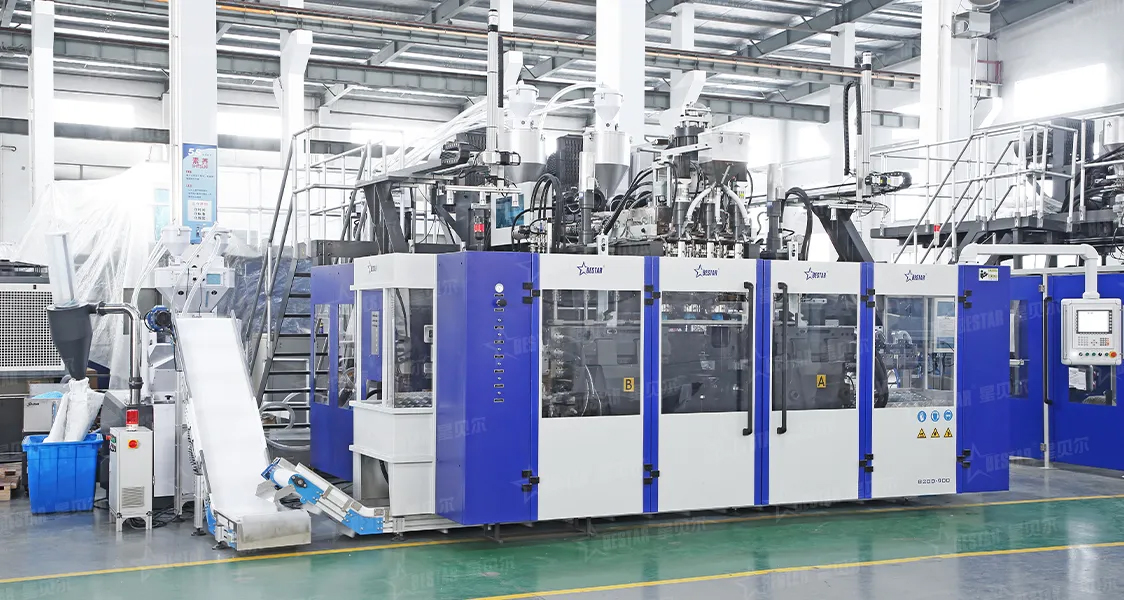
2 Material: What type of plastic will you be using (e.g., HDPE, PET, PP, PVC, PC)? For example, PET is often used for beverage bottles and typically requires stretch blow molding.
3. Wall Thickness and Clarity: Do your products require uniform wall thickness, high precision, or excellent clarity?
4. Barrier Properties/Layers: Do your products need multiple layers for enhanced performance (e.g., food packaging with barrier properties, fuel tanks with chemical resistance)? This points to co-extrusion blow molding.
Choose blow molding machine based on product production volume and speed:
1. Output Requirements: How many units do you need to produce per hour or per day? This will determine the blow molding machine’s capacity and speed (e.g., single-cavity vs. multi-cavity molds, continuous vs. intermittent extrusion).
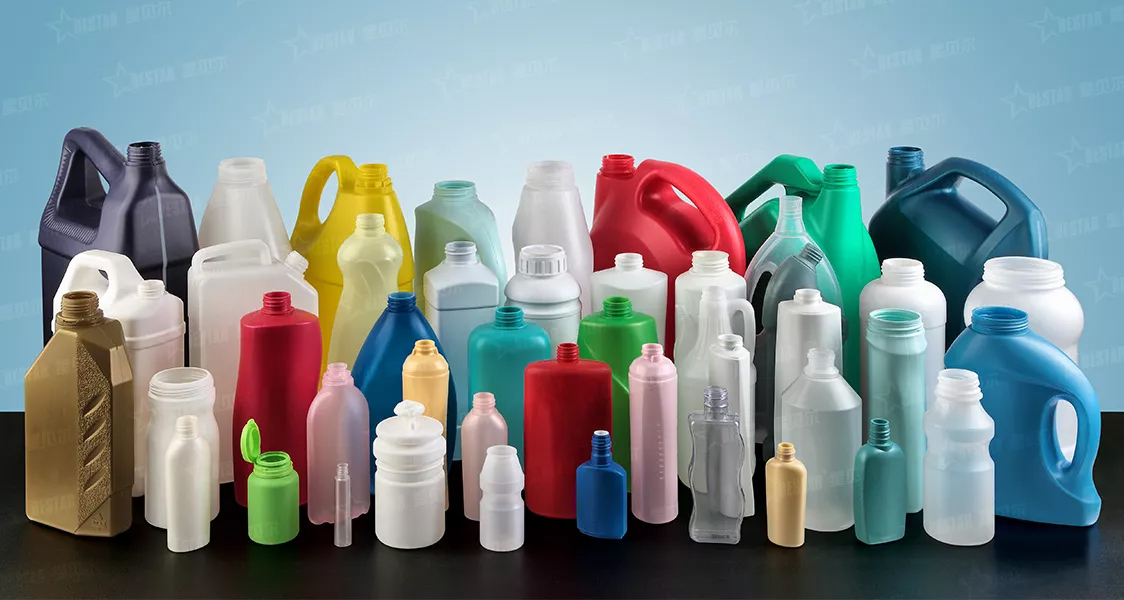
2. Cycle Time: Consider the desired cycle time for each product. High-volume production often necessitates faster plastic blowing machine.
Budget and Cost-Effectiveness:
1. Upfront Cost: What is your initial investment budget for the machine?
2. Operating Costs: Consider ongoing expenses like energy consumption, maintenance, and labor. An energy-efficient machine might have a higher upfront cost but can save you money in the long run.
3. Return on Investment (ROI): Evaluate the potential ROI based on production output and cost savings.
