Optimizing Production with Pharmaceutical Bottle Blow Molding Machine
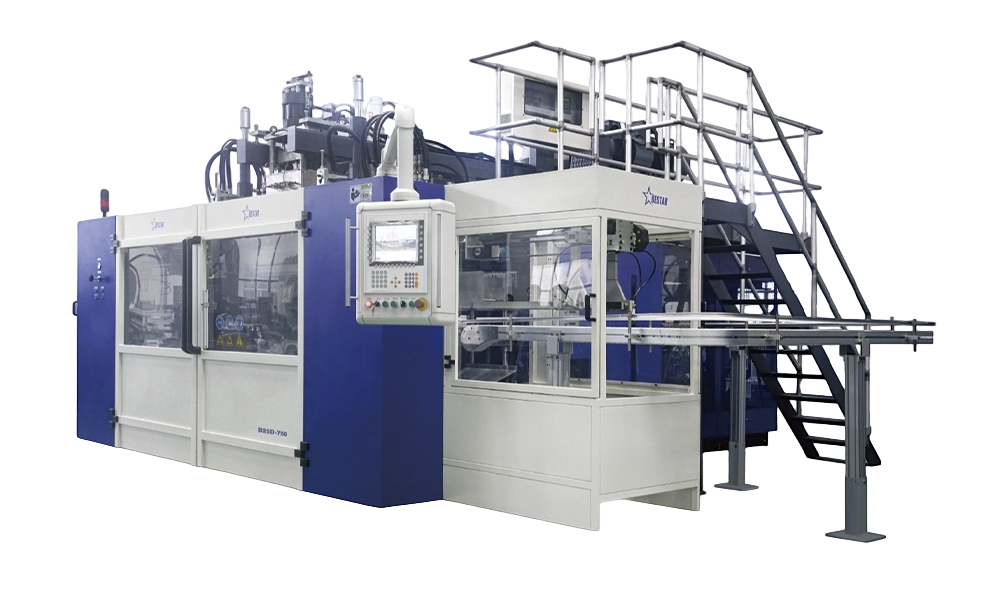
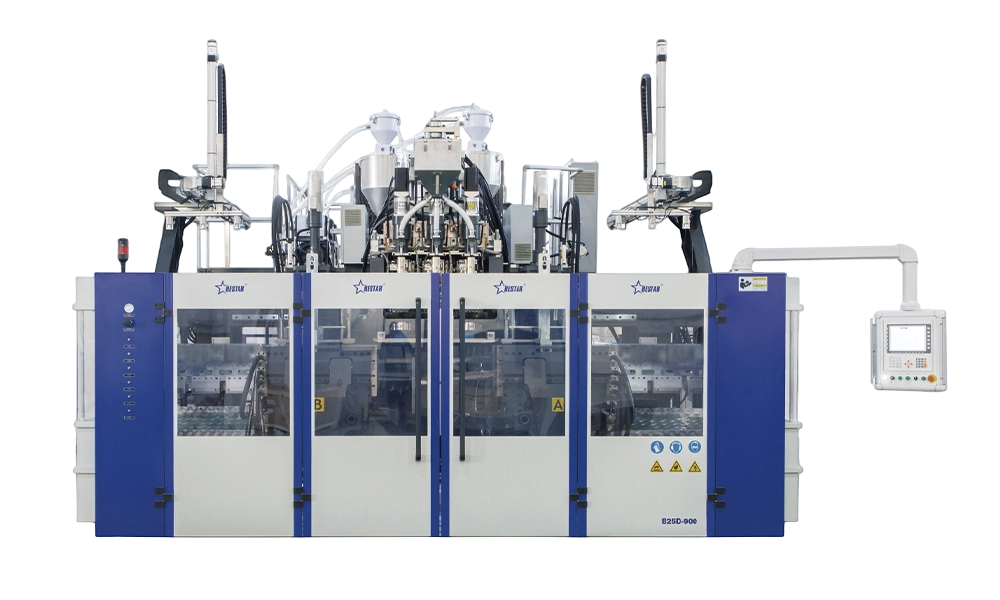
The pharmaceutical industry is one of the most critical sectors worldwide, and the packaging of medicines plays a pivotal role in ensuring safety, efficacy, and ease of use for consumers. Among the various packaging methods, blow molding has become an increasingly popular choice for producing pharmaceutical bottles. Pharmaceutical bottle blow molding machines are integral to the production process, providing high efficiency, precision, and cost-effectiveness. This article explores how to optimize production with pharmaceutical bottle blow molding machine, ensuring higher throughput, better product quality, and reduced operational costs.
Understanding Pharmaceutical Bottle Blow Molding Machines
Blow molding is a manufacturing process used to create hollow plastic bottles and containers, commonly used for packaging liquids, such as syrups, suspensions, and eye drops, in the pharmaceutical industry. The process involves three main steps:
Extrusion: A tube of plastic, called a parison, is extruded from a mold.
Molding: The parison is inflated inside a mold to take the shape of the desired container.
Cooling and Ejection: Once the bottle has been shaped, it is cooled, hardened, and ejected from the mold.
Pharmaceutical bottle blow molding machine can be classified into extrusion blow molding and injection stretch blow molding machines. Each type offers distinct advantages depending on the specific application.
Key Factors to Consider for Optimizing Production
Optimizing production with blow molding machines requires a deep understanding of both the machinery and the overall production process. Here are the key factors to consider:
Machine Selection
Choosing the right blow molding machine is the first step in optimizing production. The machine must be able to handle the volume and complexity of the packaging needed for pharmaceutical products. Key aspects to evaluate include:
Capacity: The machine should have the capacity to produce the required number of bottles within a given time frame. This is essential for maintaining high output without compromising quality.
Speed: Modern blow molding machines come with high-speed capabilities, ensuring that production lines can operate at their optimal speed. Faster cycles lead to increased productivity.
Flexibility: Flexibility in machine settings allows for easier adaptation to different bottle sizes, shapes, and materials. This is essential for manufacturers dealing with a wide range of pharmaceutical products.
Material Considerations
The materials used in pharmaceutical bottle production must meet strict standards for safety, quality, and durability. Typically, PET (Polyethylene Terephthalate), HDPE (High-Density Polyethylene), and PP (Polypropylene) are used, each offering specific benefits:
PET: Popular for its clarity and strength, making it ideal for packaging high-value pharmaceutical liquids.
HDPE: Known for its resistance to chemicals, making it suitable for more robust packaging.
PP: Offers excellent thermal resistance and is commonly used for bottles requiring high stability.
Ensuring the right material choice is essential for optimizing both the performance of the blow molding machine and the quality of the end product. Furthermore, using recycled or eco-friendly materials can reduce costs and align with sustainability goals.
Automation and Control Systems
The level of automation in a blow molding machine significantly impacts production efficiency. Advanced automation systems reduce human intervention, leading to fewer errors, faster cycle times, and higher precision. Some key features of automated control systems include:
Robotic Arms: These help automate bottle handling, ensuring fast and precise transfers between stages of the molding process.
Integrated Monitoring Systems: These systems continuously track performance metrics such as pressure, temperature, and material flow, allowing manufacturers to adjust in real-time and prevent defects.
Automatic Mold Adjustments: Automated systems can adjust mold settings based on batch requirements, ensuring that each batch of bottles is produced with optimal consistency.
By incorporating automation, pharmaceutical companies can significantly enhance productivity while maintaining high-quality standards.
Maintaining Consistent Quality Control
Quality control is a cornerstone of pharmaceutical manufacturing, and blow molding machines are equipped with various features to ensure consistency. These include:
Uniform Wall Thickness: Pharmaceutical bottles need to have consistent wall thickness for durability and uniformity. Advanced blow molding machines offer precise control over wall thickness to avoid defects that could compromise the bottle’s integrity.
Leak Testing: Blow molding machines can integrate air leak testing mechanisms to ensure that every bottle is sealed correctly, preventing contamination of the pharmaceutical product.
Visual Inspection Systems: Automated vision inspection systems can detect defects like scratches, bubbles, or warping, ensuring that only flawless bottles are sent to packaging.
Integrating quality control systems into the blow molding process ensures that production meets the stringent standards required for pharmaceutical packaging.
Energy Efficiency
Energy consumption can be a significant cost factor in production. Optimizing energy efficiency not only reduces operational costs but also supports sustainability efforts. Modern blow molding machines are designed to be energy-efficient, incorporating:
Variable Frequency Drives (VFDs): These control the motor speeds, adjusting power consumption to match production requirements.
Recuperative Heat Systems: These systems capture and reuse excess heat, reducing energy waste and lowering heating costs.
Energy Monitoring Systems: Monitoring energy use helps identify inefficiencies, leading to better management of energy consumption.
Reducing energy consumption not only cuts costs but also aligns with increasing global demands for sustainable manufacturing practices.
Maximizing Production Uptime
Minimizing downtime is crucial to maximizing productivity. Here are some key strategies to keep pharmaceutical bottle blow molding machines running smoothly:
Routine Maintenance
Regular maintenance is essential for preventing unexpected breakdowns. Machine components such as molds, air compressors, and cooling systems should be checked and serviced regularly to ensure they remain in optimal working condition. Predictive maintenance systems, powered by data analytics, can help identify potential failures before they occur, reducing downtime.
Quick Mold Changeover
Fast mold changeover is vital to maintaining production continuity, especially when manufacturers produce different bottle sizes or shapes. Blow molding machines equipped with quick-change systems allow operators to switch molds with minimal downtime, ensuring a smooth transition between batches.
Efficient Raw Material Handling
Efficient handling of raw materials, such as plastic pellets or resin, is essential for preventing delays. Implementing automated feeding systems that maintain a consistent flow of materials can help avoid interruptions during the production process.



 English