High-Precision Blow Molding Machines for Durable and Safe Pesticide Bottles
In the world of pesticide packaging, durability and safety are paramount. Pesticides need to be stored in containers that can withstand harsh chemicals while also ensuring that the contents remain secure. Blow molding machines have become an essential tool for producing high-quality pesticide bottles that meet these exacting standards. With the ability to create complex, precise, and consistent bottle shapes, these machines offer numerous advantages for pesticide manufacturers.
Key Benefits of Pesticide Bottle Blow Molding Machine
1. Durability for Harsh Environments
Pesticide bottles are often exposed to extreme conditions, from chemical exposure to temperature fluctuations. Blow molding machines can produce bottles with thicker walls and reinforced structures, ensuring they can handle these conditions without compromising safety. The precise molding process allows for consistent wall thickness, which is essential for maintaining the structural integrity of the bottle.
2. Chemical Resistance
The use of specific materials in blow molding, such as high-density polyethylene (HDPE) or polyethylene terephthalate (PET), allows pesticide bottles to resist corrosion and degradation when in contact with chemicals. These materials are chosen for their high chemical resistance and long-term stability, crucial for ensuring the safety and effectiveness of the pesticide stored within.
3. Enhanced Safety Features
Blow molding machines offer the capability to design bottles with advanced safety features. Tamper-evident seals, childproof caps, and leak-proof designs are all achievable through this technology. By incorporating such features, manufacturers ensure that their pesticide bottles provide a high level of safety for consumers and the environment.
4. Customization for Branding and Functionality
Blow molding machines also allow for the creation of bottles in a variety of shapes and sizes, which is not only useful for product differentiation but also for ergonomics. Custom shapes can be designed to improve handling, pouring, and storage, providing an excellent user experience. The process also allows for precise branding opportunities with the inclusion of molded logos or custom labeling areas.
5. Sustainability and Waste Reduction
Sustainability is an increasing concern in packaging. Blow molding machines are highly efficient, minimizing waste through the use of exact material control and producing fewer defective bottles. The process also allows for the reuse of scrap material in some cases, making it a more eco-friendly option compared to other manufacturing methods.
How Pesticide Bottle Blow Molding Machine Work for Pesticide Bottles
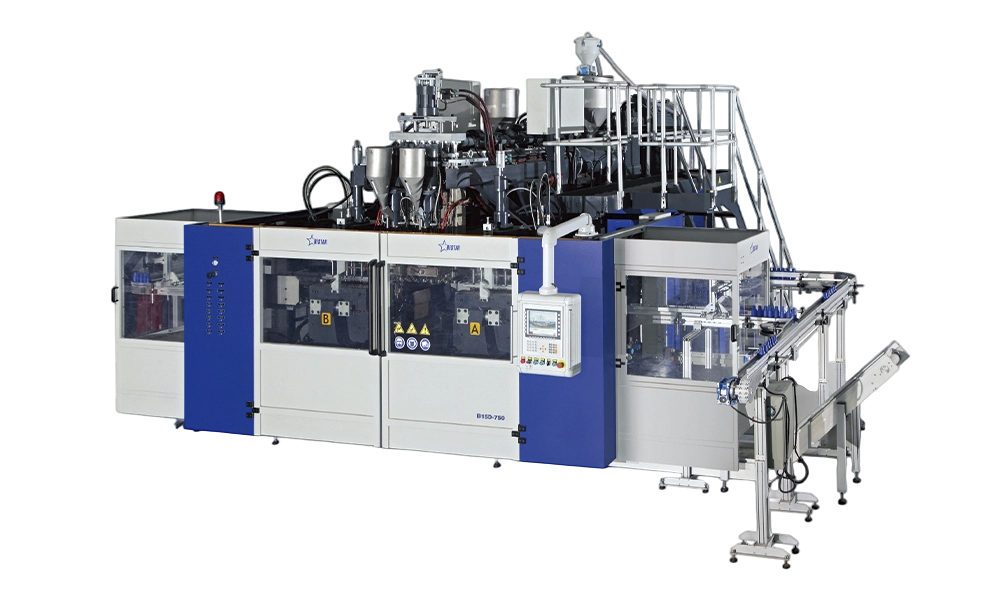
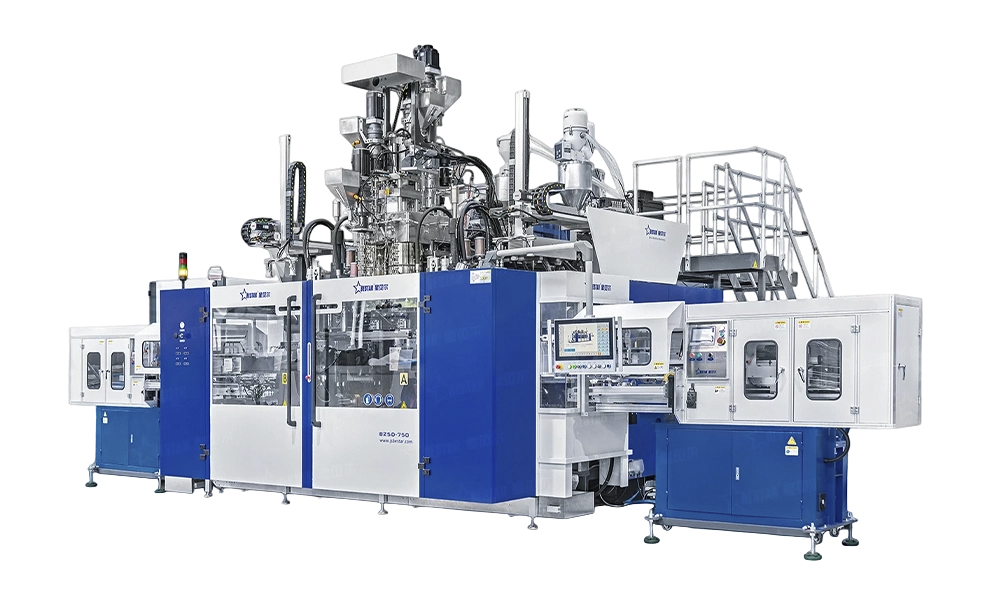
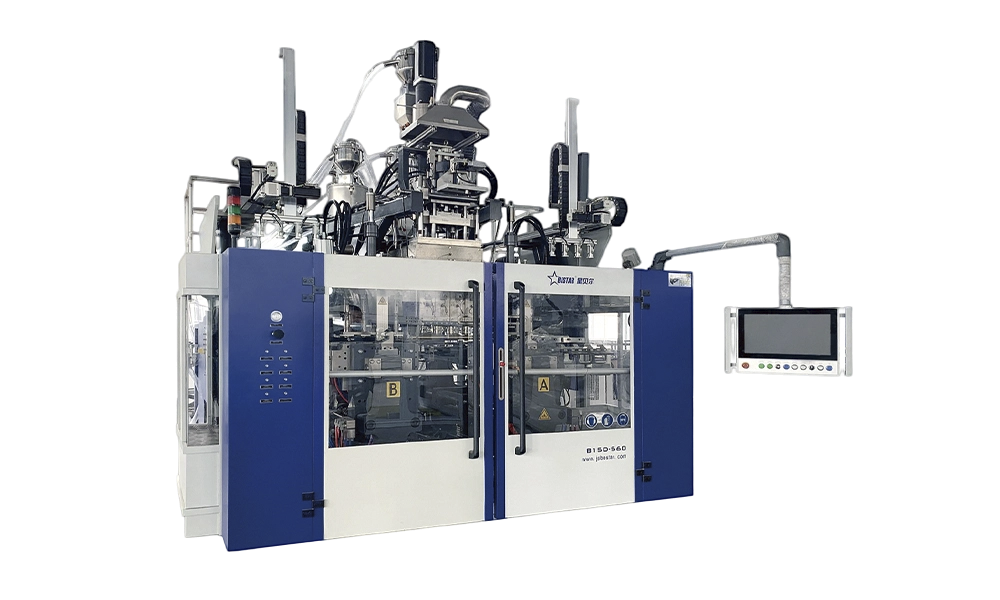
Blow molding involves the formation of a tube of plastic material (called a parison) that is inflated inside a mold to form the desired shape of the bottle. In the case of pesticide bottles, this process allows manufacturers to create bottles with precise dimensions, including features such as necks, handles, and intricate shapes.
The process typically involves the following steps:
Extrusion – Plastic resin is heated and extruded into a hollow tube (the parison).
Molding – The parison is placed inside a mold, and compressed air is used to expand it to fit the mold, creating the shape of the bottle.
Cooling – The bottle is cooled and solidified before being ejected from the mold.
Trimming and Inspection – Any excess material is trimmed, and the bottles are inspected for defects, ensuring only high-quality products make it to packaging.
Why Precision Matters in Pesticide Packaging
In the case of pesticides, precise molding is essential for several reasons:
Uniformity: Consistency in size and shape ensures that the bottles are easy to store, transport, and handle.
Leak Prevention: Accurate neck formation is critical to ensuring proper sealing and leak resistance, which is vital for handling potentially hazardous chemicals.
Consumer Safety: Bottles that are molded with high precision fit securely with caps, ensuring no accidental leaks or spills occur during storage and use.



 English