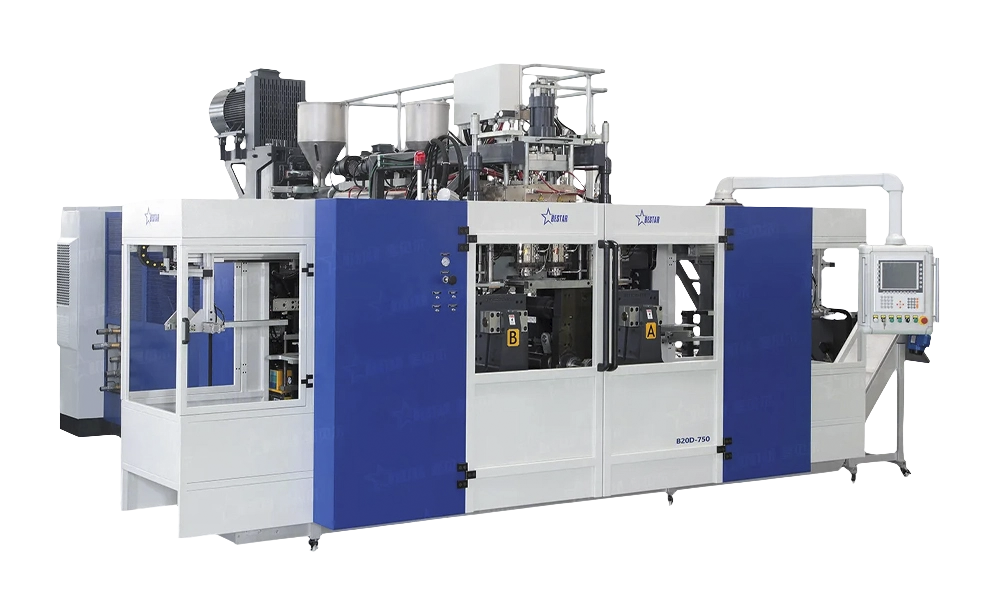
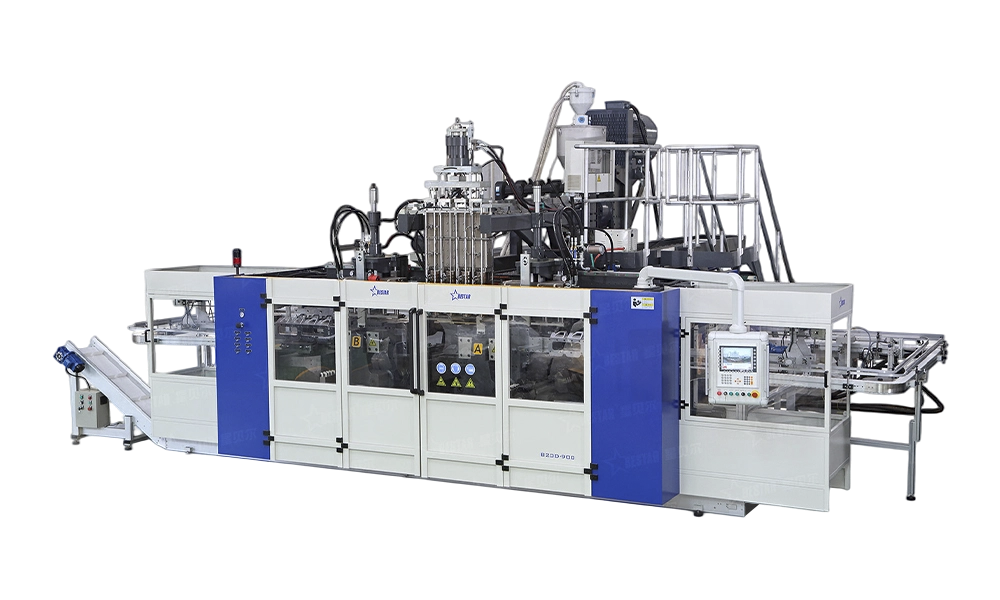
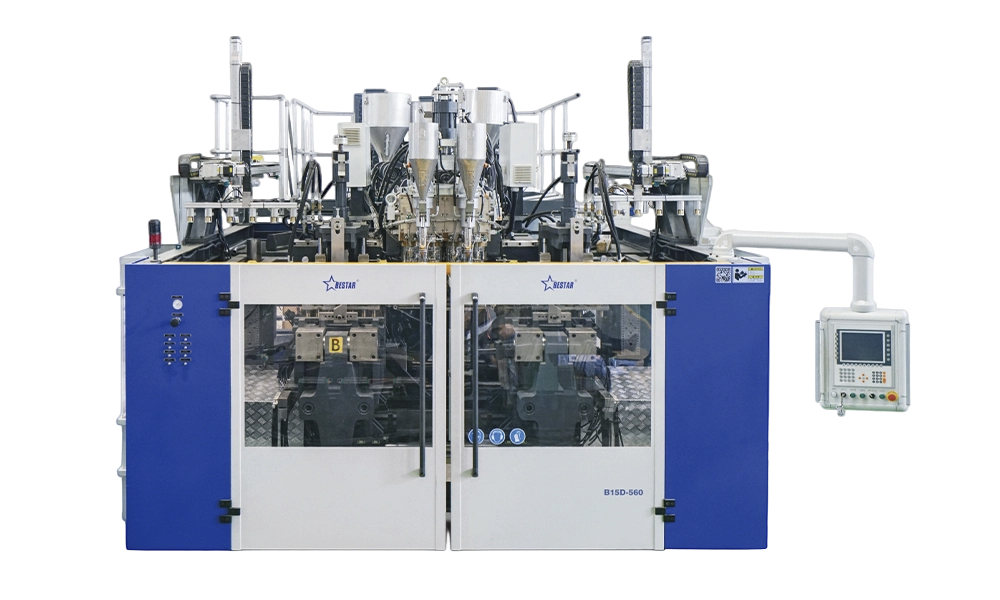
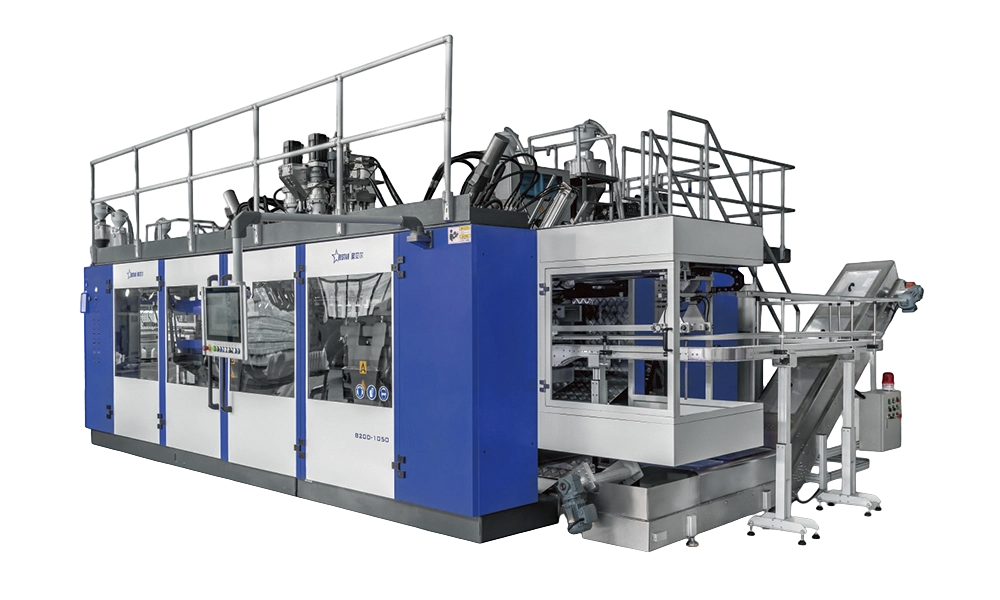
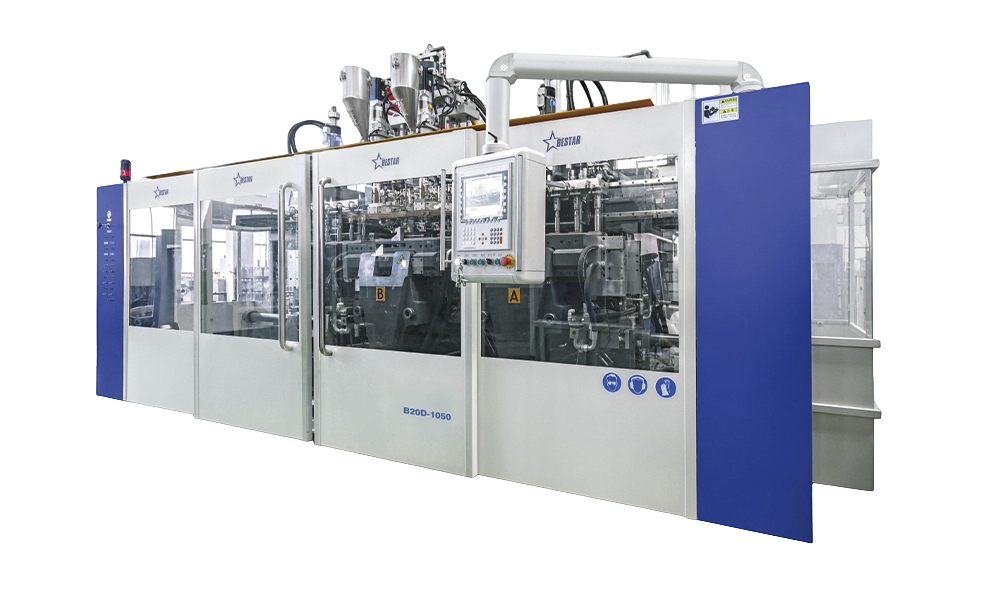
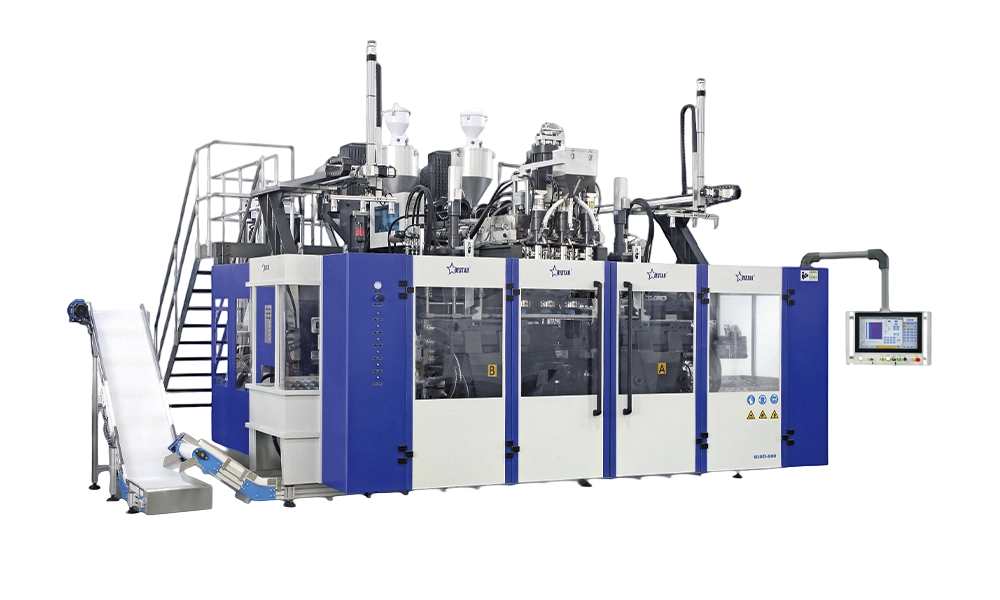
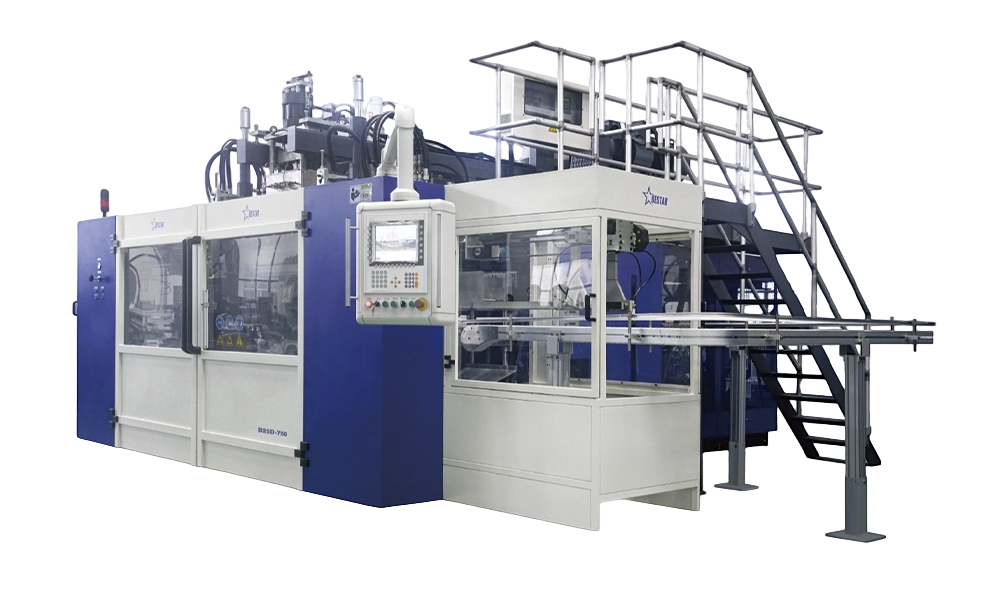
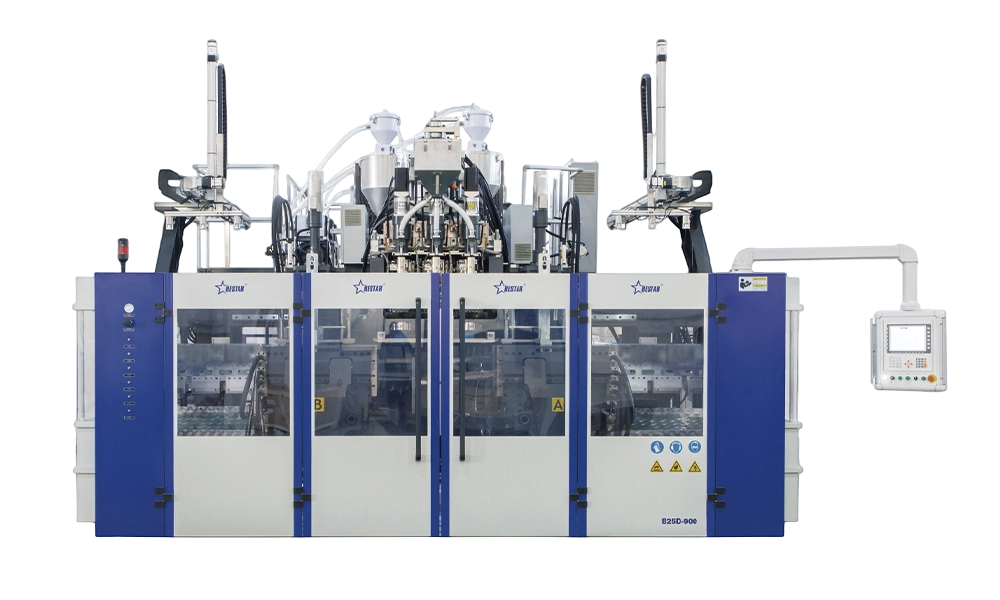
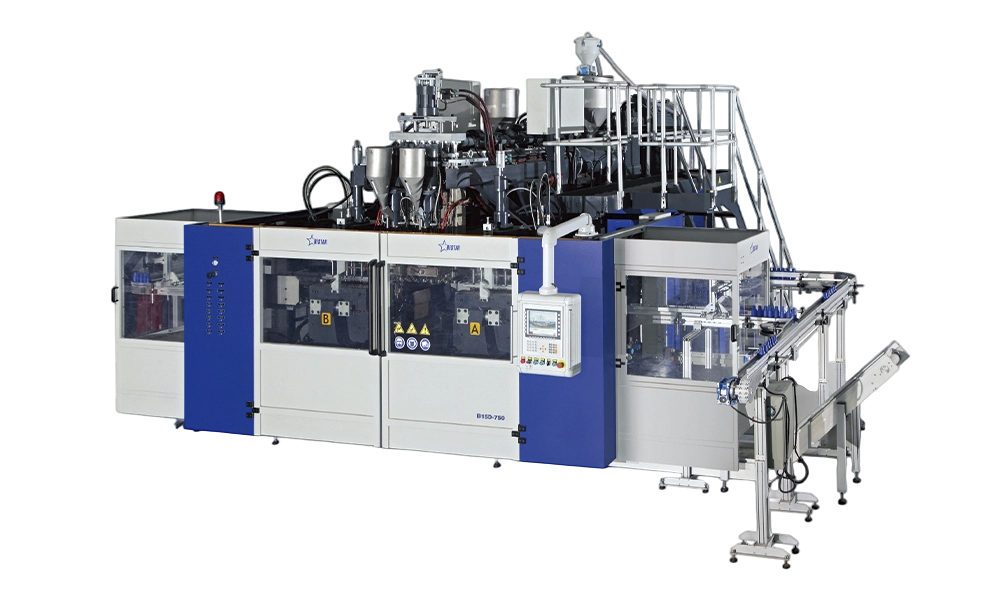
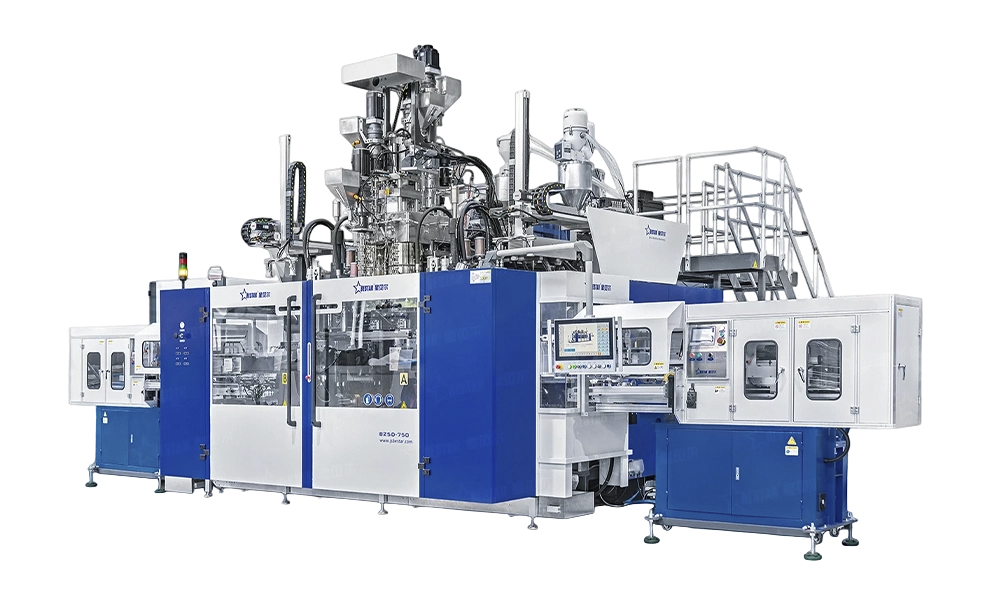
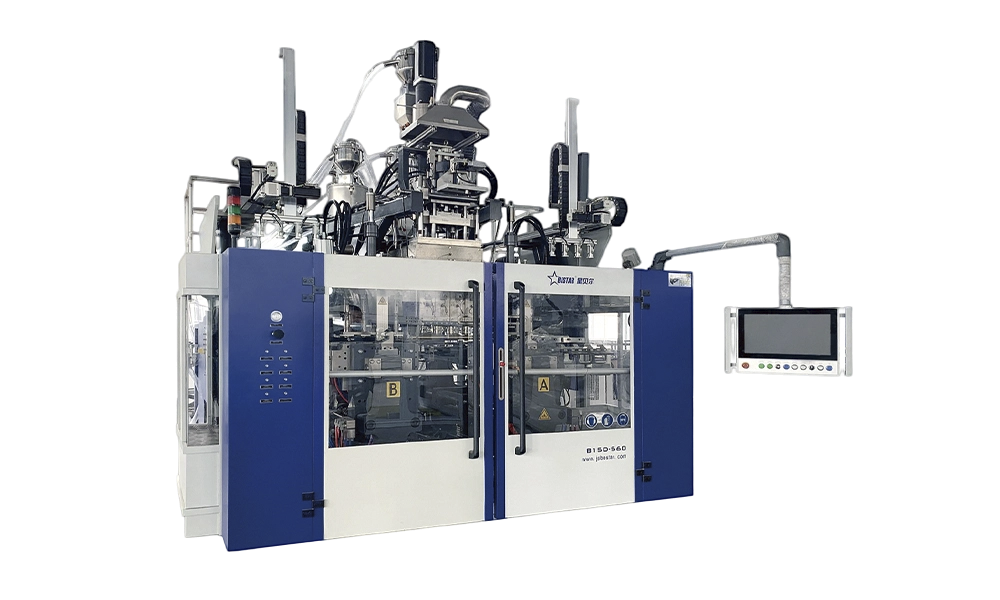
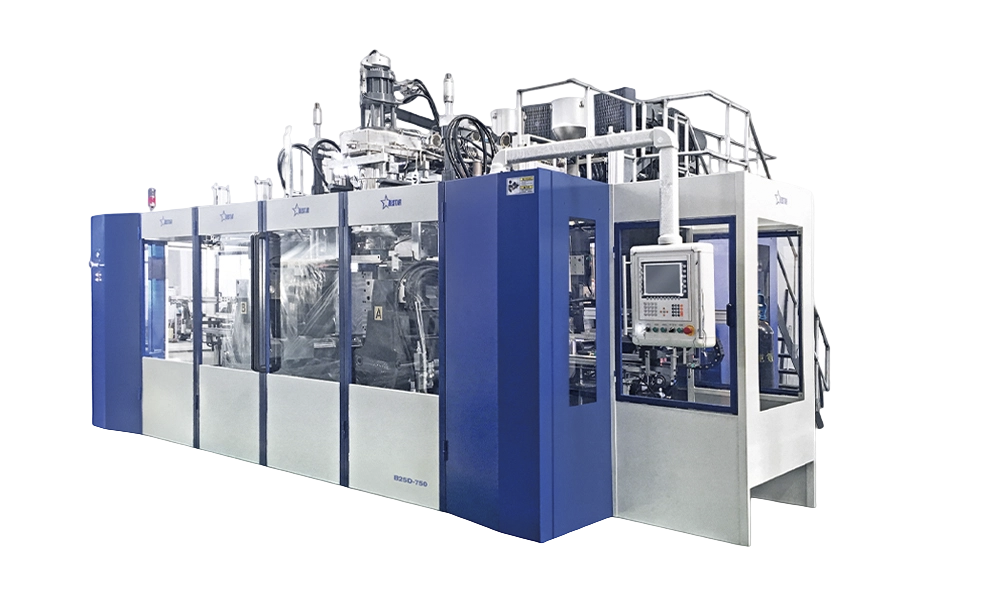
How does Suzhou Xingbeier Hollow Forming Equipment Co., Ltd.'s Multi Layer Blow Molding Machine ensure adhesion between different polymer layers?
In the world of packaging, performance often lies hidden in the details. Multi layer blow molding is not merely about shaping a container; it is about orchestrating layers of polymers so that they bond seamlessly, creating a product that is strong, safe, and durable. Ensuring adhesion between these layers is one of the most critical challenges in modern blow molding technology. Without proper interlayer fusion, bottles risk delamination, compromised barrier properties, and diminished mechanical strength.
The Science of Interlayer Adhesion
Adhesion in multi layer blow molding begins at the molecular level. Different polymers—such as HDPE, EVOH, or recycled materials—have distinct chemical structures and surface energies. Left on their own, many of these materials resist bonding. To overcome this natural incompatibility, advanced extrusion techniques are employed. The machine precisely controls melt temperatures, viscosities, and flow dynamics to ensure that polymers interpenetrate and lock together at the molecular interface.
Tie-layer resins play an equally pivotal role. These specialized adhesive polymers act as molecular bridges, binding otherwise incompatible materials into a single, coherent wall structure. By embedding these tie layers at strategic intervals, manufacturers can achieve both functional performance and cost efficiency.
Precision Engineering in Action
Adhesion does not happen by chance—it is the product of engineering accuracy. Suzhou Xingbeier’s platic bottle making machine utilize high-performance co-extrusion heads designed to manage multiple polymer streams simultaneously. Each layer is distributed with micrometer precision, ensuring uniform thickness and stable bonding across the entire container wall.
Temperature management is equally decisive. By maintaining consistent melt profiles across all extruders, the system guarantees that every polymer layer meets at optimal viscosity for bonding. Pressure synchronization across extrusion channels further eliminates weak spots, preventing interfacial slippage and enhancing structural cohesion.
Beyond Mechanics: Stability and Sustainability
In addition to adhesion strength, stability under real-world conditions is vital. The machines are engineered to deliver consistent adhesion even when containers are exposed to stress, deformation, or temperature fluctuations during storage and transport. This ensures that barrier layers—such as those protecting against oxygen permeation—retain their integrity throughout the product’s life cycle.
The sustainable dimension is just as important. By enabling the integration of recycled plastics alongside virgin polymers without compromising adhesion, Suzhou Xingbeier’s technology addresses the industry’s growing emphasis on circular economy practices. This ability to harmonize diverse material layers makes the equipment not only technologically advanced but also environmentally responsible.
A Legacy of Innovation
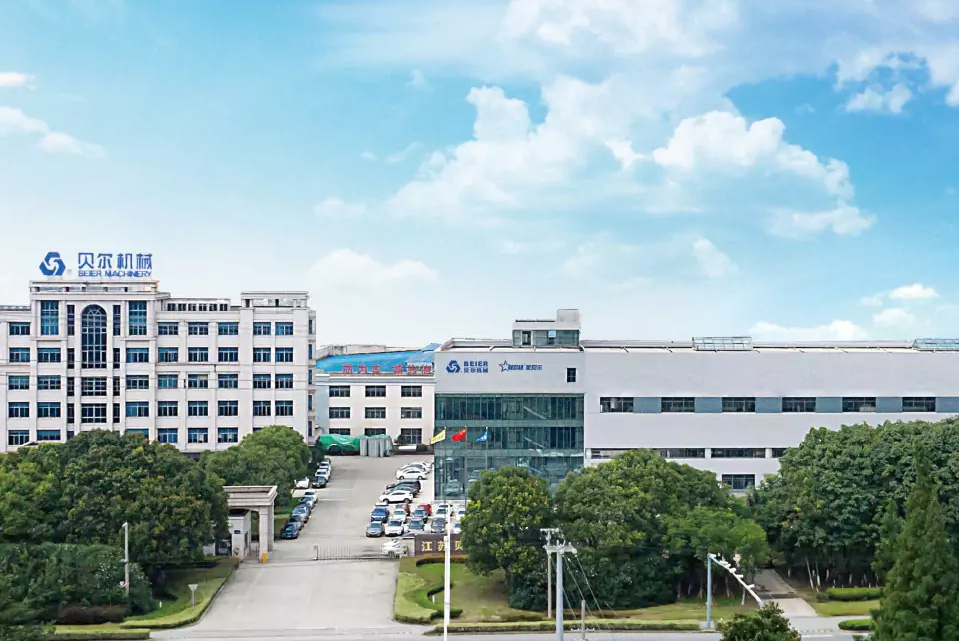
Since its inception, Suzhou Xingbeier Hollow Forming Equipment Co., Ltd. has been dedicated to advancing the science of blow molding. The company has established itself as a trusted partner in the industry by focusing on efficient, innovative, and energy-saving solutions. With a production base covering more than 60,000 square meters, a team of over 350 employees, and partnerships with more than 120 global enterprises, Xingbeier continues to lead the development of high-end, fully automatic blow molding systems that set benchmarks in quality and reliability.
Conclusion
Adhesion between polymer layers may be invisible to the naked eye, but it determines whether a container succeeds or fails. Suzhou Xingbeier’s multi layer blow molding machine ensure this adhesion through a synthesis of precision extrusion, advanced tie-layer technology, and meticulous thermal and pressure control. The result is a product that performs with resilience, protects with certainty, and reflects a vision of engineering that places innovation and responsibility at its core.



 English