


 English


Introduction to PETG Blow Molding
What is PETG?
PETG (Polyethylene Terephthalate Glycol) is a type of thermoplastic polyester, known for its excellent clarity, ...
Content
- 1 What Is a Lubricant Oil Bottle Blow Molding Machine
- 2 How the Blow Molding Process Works
- 3 Common Types of Blow Molding Machines Used for Lubricant Bottles
- 4 Key Specifications to Evaluate
- 5 Material Considerations for Lubricant Bottles
- 6 Factors to Consider When Choosing a Supplier
- 7 Maintenance Practices for Long-Term Reliability
What Is a Lubricant Oil Bottle Blow Molding Machine
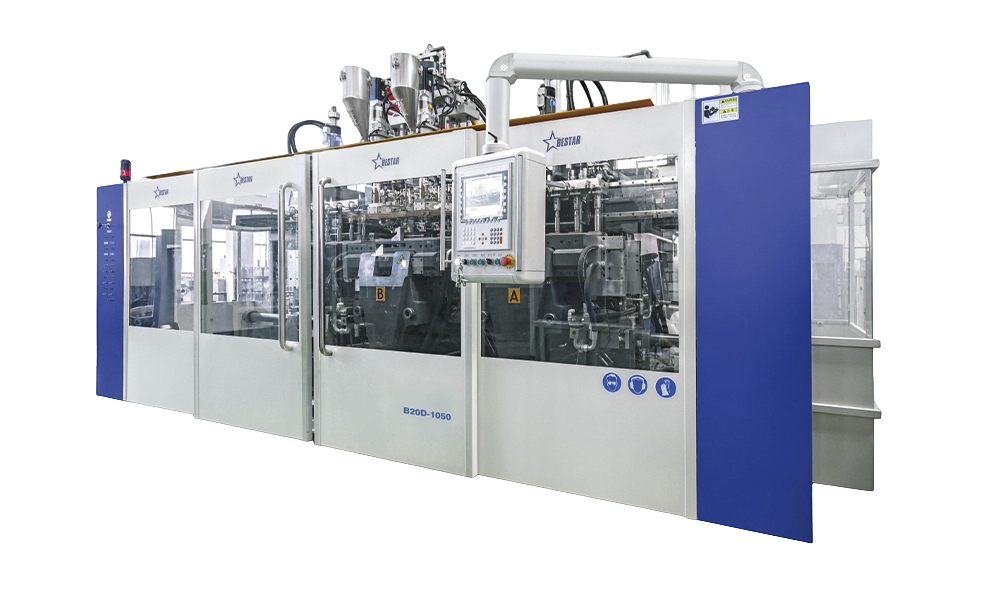
A lubricant oil bottle blow molding machine is specialized industrial equipment designed to manufacture plastic containers used for packaging motor oil, hydraulic fluid, gear oil, and other automotive or industrial lubricants. These machines transform raw plastic resin, typically high-density polyethylene, into hollow bottles through a heating and inflation process, producing containers that are strong enough to hold liquid lubricants without leaking, deforming, or reacting chemically with the product inside. Given the specific demands of lubricant packaging, including chemical resistance and structural rigidity under stacking pressure, this equipment is engineered with particular attention to wall thickness control and material distribution.
Manufacturers producing lubricant bottles in bulk rely on these machines to maintain consistent bottle dimensions, neck finishes compatible with standard caps, and sufficient durability to withstand transportation, storage, and repeated handling throughout the supply chain. As demand for automotive and industrial lubricants continues across global markets, reliable blow molding equipment remains a critical investment for packaging manufacturers serving this sector.
How the Blow Molding Process Works
The production process begins with plastic resin pellets being melted and extruded into a hollow tube called a parison. This softened tube is then clamped between two halves of a mold shaped like the final bottle design. Compressed air is injected into the parison, forcing the molten plastic to expand outward and press against the interior walls of the mold, taking on its exact shape, including the neck, handle, and body contours.
Once the plastic cools and solidifies against the mold surface, the mold opens and the finished bottle is ejected, often with excess flash material trimmed away automatically or in a secondary finishing step. This entire cycle, from parison extrusion to bottle ejection, typically takes only a few seconds per bottle on modern high-speed equipment, allowing manufacturers to achieve significant production volumes within a single shift.
Common Types of Blow Molding Machines Used for Lubricant Bottles
Different production scales and bottle designs call for different machine configurations. The table below outlines the most common types used in lubricant bottle manufacturing.
Machine TypeKey FeatureBest ForSingle-Station Extrusion Blow MolderSimple design, lower outputSmall-batch or trial productionMulti-Station Rotary Blow MolderMultiple molds cycling continuouslyHigh-volume commercial productionAccumulator Head Blow MolderPrecise parison control for thick-walled bottlesLarge-format industrial lubricant containersContinuous Extrusion Blow MolderSteady, uninterrupted parison flowStandard-sized bottles at high speed
Selecting the appropriate machine type depends heavily on target bottle size, production volume, and whether the manufacturer produces a single standardized bottle design or a varied product line.
Key Specifications to Evaluate
Clamping Force and Mold Capacity
Clamping force determines how securely the mold halves stay closed during air injection, directly affecting dimensional accuracy and preventing material leakage at the mold seam. Machines intended for larger lubricant containers, such as five-liter or twenty-liter drums, require significantly higher clamping force than those producing smaller one-liter bottles.
Wall Thickness Control Systems
Since lubricant bottles must resist punctures, drops, and stacking pressure during warehouse storage, precise wall thickness distribution is essential. Advanced machines feature programmable parison control systems that adjust wall thickness at different points along the bottle, reinforcing high-stress areas like the base and handle while minimizing material use in less critical sections.
Output Capacity and Cycle Time
Production output is typically measured in bottles per hour, and this figure varies based on bottle size, number of mold cavities, and overall machine automation level. Manufacturers should evaluate output capacity against their actual demand forecasts to avoid investing in equipment that is either underutilized or insufficient for anticipated growth.
Material Considerations for Lubricant Bottles
High-density polyethylene remains the most common material choice for lubricant bottles due to its strong chemical resistance to oils, solvents, and additives commonly found in automotive and industrial lubricants. Some manufacturers incorporate a barrier layer or use multilayer blow molding technology to further reduce permeability, preventing oil odor transfer and minimizing the risk of oxygen ingress that could degrade certain lubricant formulations over extended storage periods.
Machines capable of multilayer blow molding require additional extruders and more complex die head configurations compared to single-layer systems, representing a higher initial investment but offering improved product protection for specialty or long-shelf-life lubricant products.
Factors to Consider When Choosing a Supplier
When evaluating equipment suppliers, manufacturers should request detailed technical specifications, including energy consumption figures, mold change time, and available automation options such as robotic bottle handling or integrated leak testing. Requesting sample bottles produced on the actual machine model under consideration allows buyers to verify wall thickness consistency, neck finish accuracy, and overall bottle quality before committing to a purchase.
It is also worth confirming the availability of local technical support and spare parts, since downtime on a blow molding line can quickly disrupt packaging schedules and create bottlenecks throughout the broader production and distribution process.
Maintenance Practices for Long-Term Reliability
Routine maintenance significantly extends the operational lifespan of a blow molding machine. Mold surfaces should be cleaned regularly to prevent buildup of plastic residue, which can cause surface imperfections on finished bottles. Hydraulic and pneumatic systems require periodic inspection for leaks or pressure inconsistencies, as these issues can directly affect parison formation and overall bottle quality.
Establishing a preventive maintenance schedule, including regular lubrication of moving components and timely replacement of wear parts such as seals and gaskets, helps manufacturers avoid unplanned downtime and maintain consistent production quality across long manufacturing runs.
