


 English


Introduction to PETG Blow Molding
What is PETG?
PETG (Polyethylene Terephthalate Glycol) is a type of thermoplastic polyester, known for its excellent clarity, ...
Blow molding has long been a cornerstone of plastic manufacturing, enabling the production of hollow containers with consistent shapes and sizes. Over the years, advances in technology have led to the development of multi layer blow molding machine, which allow manufacturers to produce bottles, drums, and containers with multiple material layers in a single process.
These machines are particularly valuable in industries where product performance, material efficiency, and barrier properties are critical. Multi layer blow molding can improve strength, reduce material usage, and even combine different types of plastics for specific functional purposes, such as oxygen or moisture resistance.
This article explores the fundamentals of multi layer blow molding machines, their components, applications, and the trends shaping their use in modern manufacturing. By understanding these systems, manufacturers and industry observers can make informed decisions about investing in or utilizing this technology.
What is a Multi Layer Blow Molding Machine?
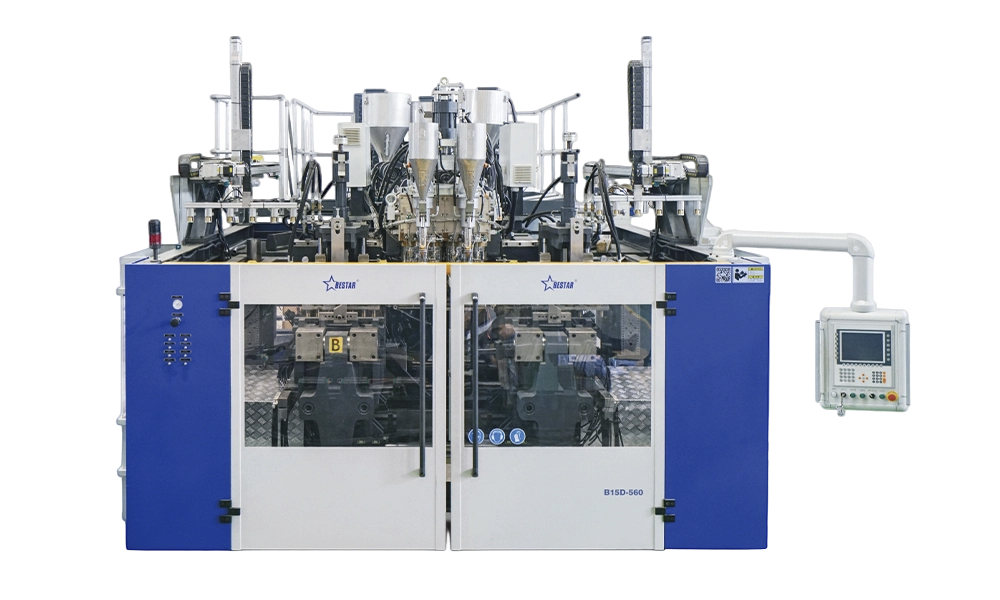
A multi layer blow molding machine is a type of equipment designed to produce hollow plastic products with two or more distinct material layers. Unlike traditional single-layer machines, these systems can combine different plastics in one molded item, allowing manufacturers to achieve specific performance characteristics.
Definition and Basic Working Principle
The machine works by extruding molten plastic through a die to form a parison—a tube-like piece of plastic—which is then inflated inside a mold to take the desired shape. In multi layer systems, several extruders feed different plastics into a single die, forming multiple layers simultaneously. Each layer serves a particular function, such as structural strength, barrier protection, or surface finish.
Difference Between Single-Layer and Multi layer Blow Molding
While single-layer blow molding produces products from one type of plastic, multi layer blow molding allows combinations of materials. This enables enhanced properties such as higher durability, chemical resistance, or improved barrier performance against gases and moisture.
Key Industries Using Multi layer Blow Molding
Industries that benefit most from this technology include:
- Food and beverage packaging: Bottles that maintain freshness and prevent contamination.
- Chemical and pharmaceutical containers: Products requiring chemical resistance or controlled permeability.
- Automotive and industrial components: Durable parts with tailored structural properties.
Components and Structure
Understanding the main components of a multi layer blow molding machine helps clarify how it produces complex, high-quality products efficiently.
Extruders and Feed Systems
The machine typically includes multiple extruders, each responsible for melting and feeding a specific type of plastic. These extruders precisely control the flow rate of each material to ensure consistent layer thickness and uniform distribution.
Die Head and Parison Formation
At the heart of the system is the multi layer die head, where the different plastics converge to form a single parison. The die head ensures that each layer maintains its integrity while controlling thickness and uniformity along the parison length.
Blow Mold and Clamping Unit
Once the parison is formed, it is enclosed in a mold and inflated with air or gas to take the desired shape. The clamping unit secures the mold tightly to prevent leaks and maintain product accuracy during the blowing process.
Control Systems and Automation Features
Modern multi layer blow molding machines are equipped with computerized control systems. These systems allow operators to monitor layer distribution, temperature, pressure, and cycle times, enhancing product quality and reducing material waste. Automation also simplifies adjustments, making production more consistent and efficient.
Advantages of Multi layer Blow Molding
Multi layer blow molding offers several benefits that make it a preferred choice in modern manufacturing.
Enhanced Material Efficiency
By combining different materials in layers, manufacturers can optimize the use of plastics. This allows the use of more cost-effective or recycled materials in inner layers while maintaining high-quality plastics on the outer layer, reducing overall material costs.
Improved Product Strength and Barrier Properties
Each layer can be designed to serve a specific function, such as increasing structural strength or providing a barrier against oxygen, moisture, or chemicals. This results in more durable, long-lasting products suitable for demanding applications.
Customizable Layer Configurations
Multi layer technology allows precise control over the number and thickness of layers. Manufacturers can tailor products to meet specific requirements, whether it’s for food safety, chemical resistance, or aesthetic finish.
Environmental Benefits and Material Savings
Optimized use of materials and the ability to incorporate recycled plastics make multi layer blow molding a more sustainable option. Products can be lighter without compromising performance, reducing both material consumption and transportation costs.
Applications in Industry
Multi layer blow molding machines are used across a variety of sectors due to their ability to produce strong, lightweight, and functional plastic products.
Packaging: Bottles, Containers, and Drums
Food and beverage industries rely on multi layer bottles that preserve freshness and extend shelf life. Chemical and pharmaceutical manufacturers use containers with enhanced barrier properties to protect contents from contamination or degradation.
Automotive Components
Certain automotive parts, such as fuel tanks and fluid reservoirs, benefit from multi layer construction. Layers can provide resistance to chemicals, heat, or impact, enhancing safety and durability.
Household and Industrial Products
Products such as cleaning fluid containers, detergent bottles, and industrial storage drums often require strength, chemical resistance, and cost-effective production, making multi layer blow molding an ideal choice.
Emerging Applications and Trends
Innovations in material science have opened new applications, including packaging with biodegradable layers, lightweight construction materials, and products that combine multiple functionalities, such as barrier protection and structural reinforcement.
Technological Developments
Multi layer blow molding machines continue to evolve, driven by demands for higher efficiency, better quality, and sustainable production.
Advances in Automation and Process Control
Modern machines incorporate computerized systems that monitor temperature, pressure, layer thickness, and cycle times in real time. This precision reduces material waste, ensures uniform product quality, and simplifies production adjustments.
Integration of New Materials
The ability to process a wide range of plastics, including HDPE, PET, and recycled materials, has expanded the versatility of multi layer blow molding. Manufacturers can now combine materials with different properties to achieve specific performance goals, such as chemical resistance, barrier protection, or lightweight construction.
Innovations in Energy Efficiency and Sustainability
Recent developments focus on reducing energy consumption and environmental impact. Efficient heating systems, optimized extrusion processes, and the use of recycled plastics contribute to lower production costs and a smaller carbon footprint.
Challenges and Considerations
While multi layer blow molding machines offer clear advantages, several factors must be considered before implementation.
High Initial Investment Costs
Compared to single-layer machines, multi layer systems are more complex and expensive. Companies must evaluate whether the benefits in material efficiency, product performance, and sustainability justify the upfront investment.
Technical Complexity and Maintenance
These machines require skilled operators and regular maintenance to ensure consistent performance. Issues such as die clogging, uneven layer distribution, or extrusion inconsistencies can affect product quality if not carefully managed.
Material Compatibility and Processing Challenges
Selecting compatible materials for each layer is critical. Differences in melting points, viscosity, or chemical behavior can create defects or limit the machine’s performance. Manufacturers must carefully plan material combinations and processing parameters to avoid issues.
Market Outlook and Future Trends
The global market for multi layer blow molding machines continues to grow, driven by demand for high-performance packaging and sustainable manufacturing solutions.
Global Demand and Growth Projections
Rising consumption of packaged goods, pharmaceuticals, and industrial products is fueling the need for advanced blow molding technology. Analysts expect steady growth as manufacturers adopt multi layer systems to improve efficiency and product quality.
Regional Industry Trends and Innovations
Regions with strong manufacturing sectors, such as Asia and Europe, are seeing increased adoption of multi layer blow molding for both traditional and specialty applications. Local innovations often focus on integrating automation, energy efficiency, and advanced materials.
Future Opportunities in Multi layer Blow Molding
Emerging trends include the use of biodegradable or recycled plastics, lightweight designs, and multi-functional products combining structural strength with barrier protection. As sustainability becomes a priority, these machines are likely to play an even larger role in eco-conscious manufacturing strategies.
Conclusion
Multi layer blow molding machines represent a significant advancement in plastic manufacturing, offering the ability to produce hollow products with enhanced performance, material efficiency, and functional versatility. By combining multiple layers of different plastics, these machines meet the growing demands of industries ranging from food and beverage to automotive and pharmaceuticals.
While the technology involves higher investment and operational complexity, its advantages—including improved product strength, customizable layer configurations, and potential environmental benefits—make it a practical solution for modern manufacturing.
As technology continues to evolve, with innovations in automation, materials, and sustainability, multi layer blow molding machines are poised to play an increasingly important role in producing high-quality, functional, and environmentally conscious plastic products.
