


 English


Introduction to PETG Blow Molding
What is PETG?
PETG (Polyethylene Terephthalate Glycol) is a type of thermoplastic polyester, known for its excellent clarity, ...
Content
- 1 What Is a Daily Chemical Bottle Blow Molding Machine?
- 2 How the Blow Molding Process Works
- 3 Types of Blow Molding Machines for Daily Chemical Bottles
- 4 Key Features to Evaluate When Selecting a Machine
- 5 Material Considerations for Daily Chemical Bottles
- 6 Maintenance Practices to Extend Machine Lifespan
What Is a Daily Chemical Bottle Blow Molding Machine?
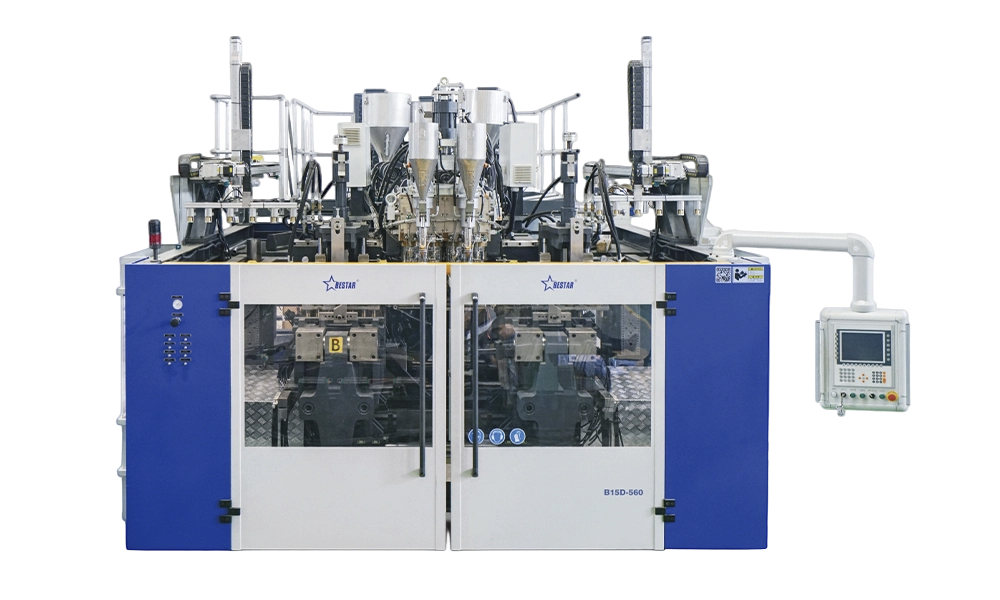
A daily chemical bottle blow molding machine is industrial equipment used to manufacture plastic containers for household and personal care products, including shampoo bottles, detergent containers, lotion bottles, and cleaning product packaging. These machines transform raw plastic material, typically in pellet or granule form, into hollow plastic bottles through a process that involves melting the plastic, shaping it into a tube called a parison, and then inflating it within a mold to form the final bottle shape.
The daily chemical industry has specific requirements for bottle production, including the need for consistent wall thickness to prevent leakage with various chemical formulations, compatibility with different plastic resins such as HDPE, PP, and PET, and the ability to produce bottles in a wide range of shapes and sizes to accommodate diverse product lines from a single manufacturer.
How the Blow Molding Process Works
Understanding the underlying process helps clarify why certain machine types are better suited to specific production scenarios. The blow molding process for daily chemical bottles generally follows three main stages.
Extrusion or Injection of the Parison
In extrusion blow molding, plastic is melted and continuously extruded through a die to form a hollow tube called a parison. In injection blow molding, the plastic is instead injected into a small preform mold first, creating a shape closer to the final bottle neck before the blowing stage begins.
Mold Closure and Air Inflation
Once the parison or preform reaches the correct temperature and position, the mold halves close around it. Compressed air is then introduced, forcing the softened plastic to expand outward against the mold walls, taking on the shape and surface details of the mold cavity, including any embossed logos or measurement markings.
Cooling and Ejection
After the plastic has filled the mold, cooling channels within the mold rapidly reduce the temperature of the bottle so it retains its shape. Once sufficiently cooled, the mold opens and the finished bottle is ejected, with excess plastic flash typically trimmed away either automatically or in a secondary process.
Types of Blow Molding Machines for Daily Chemical Bottles
Different machine configurations suit different production volumes, bottle shapes, and material requirements. The table below compares the most common types used in daily chemical packaging production.
| Machine Type | Best For | Typical Output |
| Single-Station Extrusion Blow Molding | Small batches, multiple bottle designs | Low to medium volume |
| Multi-Station Extrusion Blow Molding | High-volume single design production | High volume |
| Injection Blow Molding | Small bottles with precise neck finishes | Medium to high volume |
| Stretch Blow Molding | PET bottles requiring clarity and strength | High volume |
Key Features to Evaluate When Selecting a Machine
Choosing the right blow molding machine involves balancing production requirements with budget constraints and facility capabilities. Several features deserve particular attention during the evaluation process.
Clamping Force and Mold Size Capacity
The clamping unit must provide sufficient force to keep molds closed against the pressure of the inflation air without flashing or leakage at the mold line. Machines should also accommodate the range of mold sizes needed for a product lineup, from small travel-size bottles to larger family-size containers.
Number of Cavities
Multi-cavity molds allow a single machine cycle to produce multiple bottles simultaneously, significantly increasing output per hour. However, multi-cavity setups require more precise temperature control across the parison to ensure uniform wall thickness across all cavities.
Wall Thickness Control System
Programmable wall thickness control, often achieved through parison programming, allows operators to vary material distribution along the bottle's height. This reduces material waste in areas that don't require additional strength while reinforcing high-stress areas like the handle or base.
Energy Efficiency
Servo-driven hydraulic systems consume considerably less energy than traditional hydraulic systems by adjusting power output based on actual demand during each cycle phase, rather than running at constant pressure throughout the entire cycle.
Material Considerations for Daily Chemical Bottles
The choice of plastic resin affects both the machine settings required and the final bottle's performance characteristics when in contact with various chemical formulations.
- HDPE (High-Density Polyethylene): Commonly used for shampoo, detergent, and lotion bottles due to its chemical resistance and impact strength.
- PP (Polypropylene): Offers higher heat resistance, suitable for products that may be exposed to warmer storage conditions or that require a flip-top cap design.
- PET (Polyethylene Terephthalate): Provides excellent clarity for products where visual appeal of the formula inside the bottle is a selling point.
- PVC (Polyvinyl Chloride): Less common today due to environmental concerns, but historically used for certain cleaning product containers requiring specific chemical resistance.
Maintenance Practices to Extend Machine Lifespan
Regular maintenance helps prevent unexpected downtime and ensures consistent bottle quality over the machine's operational life. Mold surfaces should be inspected regularly for wear or buildup that could affect the surface finish of finished bottles, particularly around fine details like embossed text or measurement lines.
Hydraulic fluid levels and filter conditions require periodic checks, as contaminated fluid can lead to inconsistent clamping pressure and affect product quality. Heating elements in the extrusion barrel should also be monitored, since uneven heating can cause inconsistent parison thickness, leading to weak spots or excess material in finished bottles.
Establishing a preventive maintenance schedule based on production hours rather than calendar time often provides more accurate guidance for component replacement, particularly for high-wear parts like seals, hydraulic hoses, and mold guide pins that experience cumulative stress with each production cycle.
