


 English


Introduction to PETG Blow Molding
What is PETG?
PETG (Polyethylene Terephthalate Glycol) is a type of thermoplastic polyester, known for its excellent clarity, ...
Content
In the food and beverage industry, blow molding machines play a critical role in producing high-quality plastic containers such as bottles, jars, and other packaging components. These machines, often automated and precise, convert raw plastic materials into finished products efficiently. However, to maintain consistent product quality and operational efficiency, proper maintenance and troubleshooting of blow molding machines are essential. Neglecting these aspects can lead to costly downtime, reduced product quality, and shortened equipment lifespan. This article explores best practices for maintaining and troubleshooting food beverage blow molding machines to ensure optimal performance.
1. Understanding the Food Beverage Blow Molding Machine
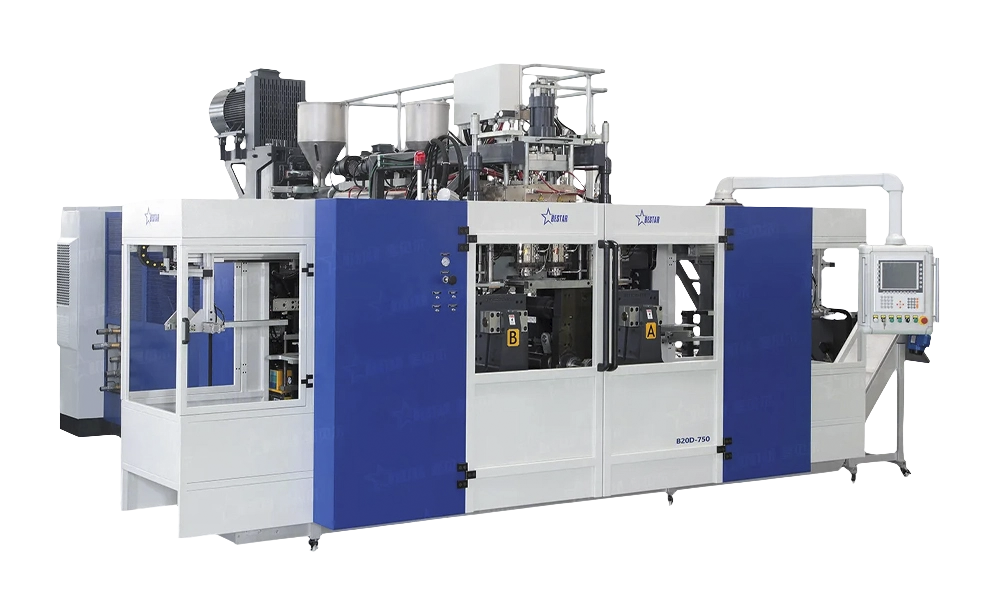
Before delving into maintenance and troubleshooting, it is important to understand the main components and operation of a blow molding machine:
- Extruder: Melts and feeds plastic material to the mold.
- Mold: Shapes the molten plastic into the desired bottle or container.
- Blow System: Uses compressed air to inflate the preform into the mold cavity.
- Clamping Unit: Holds the mold together under pressure during the blowing process.
- Cooling System: Reduces the temperature of the molded product for handling.
- Control Panel: Manages automation, timing, and safety systems.
Understanding these components helps operators identify which parts require regular attention and which are most prone to issues.
2. Routine Maintenance Practices
Regular maintenance is key to prolonging the lifespan of a blow molding machine and ensuring consistent production. Maintenance can be categorized into daily, weekly, and monthly routines.
2.1 Daily Maintenance
Daily maintenance focuses on quick checks to ensure smooth operation:
- Clean the machine surfaces: Remove dust, plastic residue, or oil spills to prevent contamination and wear.
- Inspect molds and dies: Check for cracks, scratches, or buildup that could affect product shape and quality.
- Check lubrication: Ensure moving parts such as clamping arms, extruder screws, and gears are properly lubricated.
- Monitor temperature and pressure: Verify that heating elements, blow air pressure, and hydraulic pressure are within recommended ranges.
- Check safety systems: Confirm emergency stops, interlocks, and sensors are functioning correctly.
Daily attention prevents minor issues from escalating into major mechanical or production problems.
2.2 Weekly Maintenance
Weekly maintenance involves more in-depth inspections and adjustments:
- Inspect hydraulic and pneumatic systems: Check for leaks, worn hoses, and proper fluid levels.
- Examine electrical connections: Look for loose wires or damaged insulation that could lead to short circuits.
- Clean or replace filters: Air and hydraulic filters should be cleaned or replaced to maintain system efficiency.
- Check mold alignment: Ensure molds close evenly to avoid uneven wall thickness or defective containers.
- Test cooling system: Confirm coolant flow and temperature regulation are stable.
This level of maintenance ensures the blow molding machine continues to operate reliably under full production loads.
2.3 Monthly and Periodic Maintenance
Monthly or scheduled maintenance focuses on preventive care and component replacement:
- Inspect screws and barrels: Look for wear that could affect plastic melting and extrusion quality.
- Examine blow nozzles and air valves: Ensure there is no blockage or wear that could impact inflation consistency.
- Calibrate sensors and controllers: Accurate readings ensure precise temperature, pressure, and timing control.
- Replace worn molds or dies: Regular replacement prevents defects in product dimensions and reduces scrap rates.
- Check overall mechanical integrity: Inspect structural components, fasteners, and alignment to prevent long-term wear.
Following a structured maintenance schedule minimizes unplanned downtime and extends the machine’s operational life.
3. Common Troubleshooting Techniques
Even with regular maintenance, blow molding machines may encounter operational issues. Knowing how to troubleshoot problems effectively can save time and reduce production losses.
3.1 Uneven Wall Thickness
Causes: Improper mold temperature, inconsistent blow pressure, or uneven preform heating.
Solutions:
- Verify mold temperature is within specification.
- Check and adjust blow air pressure.
- Inspect extruder heating zones to ensure uniform plastic melting.
3.2 Flashing or Excess Material
Causes: Excessive clamping force, worn molds, or incorrect parison thickness.
Solutions:
- Adjust clamping force to manufacturer’s recommended levels.
- Replace or resurface worn molds.
- Calibrate extruder screw speed for proper parison control.
3.3 Air Leaks in the Blow System
Causes: Damaged hoses, faulty valves, or poor connections.
Solutions:
- Inspect and replace damaged hoses.
- Test and clean blow valves.
- Tighten fittings and check for leaks using soap solution or pressure tests.
3.4 Inconsistent Product Shape or Defects
Causes: Uneven cooling, mold misalignment, or contamination in plastic material.
Solutions:
- Verify coolant flow and temperature consistency.
- Realign mold halves and ensure proper clamping.
- Use clean, high-quality raw materials and remove contaminants.
3.5 Electrical or Automation Failures
Causes: Faulty sensors, damaged wiring, or control panel malfunctions.
Solutions:
- Inspect electrical connections and replace damaged cables.
- Test sensors for accurate readings and replace faulty ones.
- Reset control system or consult technical manuals for software troubleshooting.
4. Importance of Documentation and Record-Keeping
Maintaining detailed maintenance and troubleshooting records is crucial:
- Track machine performance: Identify recurring issues and potential weak points.
- Schedule preventive maintenance: Timely interventions prevent unexpected breakdowns.
- Facilitate operator training: Clear logs help new operators understand best practices and common problems.
- Ensure compliance: Food and beverage production requires documentation for safety and quality audits.
Good documentation improves efficiency and reduces the risk of operational errors.
5. Safety Considerations
Blow molding machines operate under high temperatures, hydraulic pressure, and moving parts. Safety precautions must be strictly followed:
- Always power off and lock out equipment before maintenance.
- Wear appropriate personal protective equipment (PPE) such as gloves, goggles, and heat-resistant clothing.
- Ensure emergency stop buttons and interlocks are functional.
- Follow manufacturer guidelines for handling hot molds, air pressure systems, and hydraulic components.
Safety not only protects operators but also prevents accidental machine damage during maintenance.
6. Training and Operator Expertise
Proper maintenance and troubleshooting require skilled operators and technicians. Key aspects of operator training include:
- Understanding machine components and operation.
- Recognizing early warning signs of malfunctions.
- Performing basic maintenance such as lubrication, cleaning, and inspection.
- Executing troubleshooting steps safely and efficiently.
Investing in operator training reduces downtime, increases production efficiency, and prolongs machine lifespan.
7. Advanced Maintenance Strategies
For high-volume beverage production, advanced strategies can further optimize maintenance:
- Predictive maintenance: Using sensors and monitoring software to predict component failure before it occurs.
- Condition-based monitoring: Continuously monitoring temperature, vibration, and pressure to identify abnormal trends.
- Scheduled overhauls: Periodically disassembling critical components like extruder screws and molds for detailed inspection and refurbishment.
These strategies reduce unplanned downtime and ensure high-quality production in large-scale operations.
8. Conclusion
Maintaining and troubleshooting a food beverage blow molding machine is essential for operational efficiency, product quality, and safety. Routine daily, weekly, and monthly maintenance ensures smooth operation, prevents breakdowns, and extends machine life. Common troubleshooting techniques help resolve issues such as uneven wall thickness, flashing, air leaks, and electrical failures quickly.
