


 English


Introduction to PETG Blow Molding
What is PETG?
PETG (Polyethylene Terephthalate Glycol) is a type of thermoplastic polyester, known for its excellent clarity, ...
Content
- 1 1. Understanding the Blow Molding Machine
- 2 2. Importance of Regular Maintenance
- 3 3. Daily Maintenance Practices
- 4 4. Weekly and Monthly Maintenance Practices
- 5 5. Predictive Maintenance Practices
- 6 6. Operational Best Practices
- 7 7. Lubrication and Replacement Schedule
- 8 8. Safety Considerations During Maintenance
- 9 9. Benefits of a Robust Maintenance Program
- 10 Conclusion
In the manufacturing of pesticide bottles, blow molding machines play a pivotal role. These machines allow producers to shape high-density plastics like HDPE or PET into durable, leak-proof containers suitable for safely storing pesticides. Due to the rigorous nature of pesticide bottle production, which often involves repetitive, high-speed operations and exposure to chemically reactive resins, regular maintenance is essential to ensure the longevity, efficiency, and safety of these machines.
This article explores the most effective maintenance practices for pesticide bottle blow molding machines, focusing on preventive, predictive, and operational strategies that prolong machine life while maintaining optimal production performance.
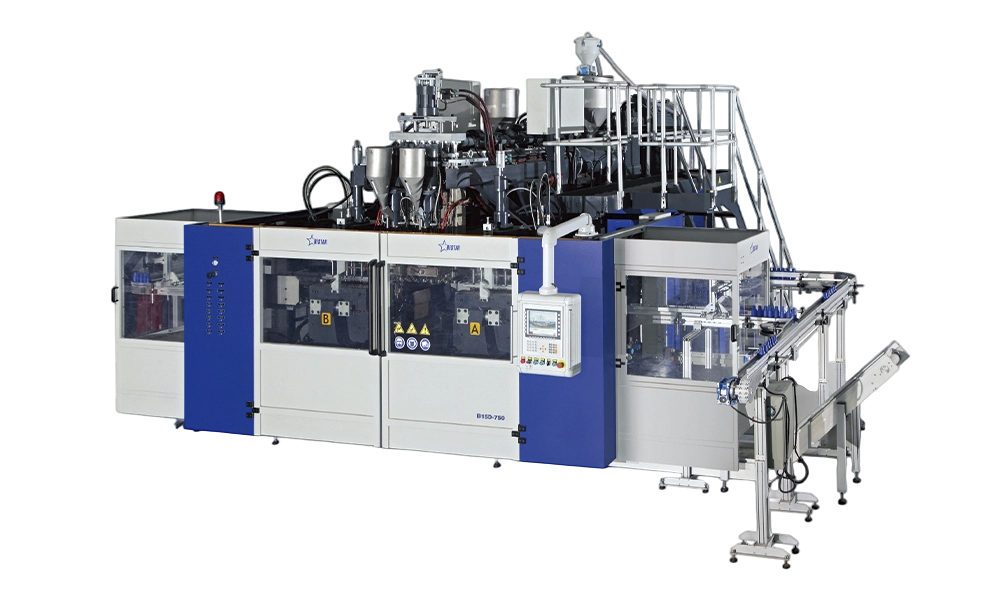
1. Understanding the Blow Molding Machine
A pesticide bottle blow molding machine typically consists of:
- Extruder or Injection Unit: Melts and shapes the plastic into preforms or parisons.
- Blow Molding Section: Inflates the parison into the mold cavity to form the bottle.
- Mold System: Defines the shape and dimensions of the bottle.
- Cooling System: Ensures rapid solidification of the plastic.
- Conveying and Ejection System: Removes finished bottles efficiently.
- Control System: Manages temperature, pressure, and timing for consistent output.
Each of these components requires specialized care to avoid breakdowns, maintain quality, and extend the machine’s service life.
2. Importance of Regular Maintenance
Routine maintenance of a pesticide bottle blow molding machine offers several benefits:
- Reduces Downtime: Prevents unexpected machine failures that disrupt production schedules.
- Ensures Product Quality: Properly maintained molds and extruders produce uniform bottles with minimal defects.
- Prolongs Machine Life: Reduces wear and tear on critical components, extending operational longevity.
- Improves Energy Efficiency: Well-maintained machines consume less energy and operate more smoothly.
- Enhances Safety: Prevents accidents caused by malfunctioning parts or hydraulic failures.
Without a consistent maintenance routine, blow molding machines can suffer from mold misalignment, parison inconsistencies, mechanical wear, and even electrical faults.
3. Daily Maintenance Practices
Daily maintenance focuses on routine inspections and minor adjustments to prevent early-stage issues. Key practices include:
3.1 Cleaning the Machine
- Remove residual plastic and debris from the extruder, mold surfaces, and conveyors.
- Clean air vents, cooling lines, and control panels to avoid overheating or electrical issues.
- Ensure the workspace around the machine is free of dust, chemicals, and spilled resins.
3.2 Inspecting Hydraulic and Pneumatic Systems
- Check for hydraulic fluid leaks or abnormal pressure fluctuations.
- Ensure pneumatic valves, hoses, and cylinders are functioning properly.
- Lubricate moving parts as recommended by the manufacturer to prevent friction-induced wear.
3.3 Checking Electrical Components
- Verify control panel indicators, sensors, and wiring for signs of wear or damage.
- Confirm that emergency stops, safety interlocks, and alarms are fully operational.
- Test motor connections and temperature sensors to ensure precise control during production.
3.4 Monitoring Temperature Settings
- Check extruder and mold heating units to ensure proper plastic melting and forming.
- Adjust cooling water flow and temperature to prevent deformation of bottles.
4. Weekly and Monthly Maintenance Practices
Beyond daily care, more thorough inspections and adjustments are required weekly or monthly to address wear and improve performance.
4.1 Mold Maintenance
- Inspect mold surfaces for scratches, cracks, or corrosion caused by chemical residues.
- Apply mold release agents or protective coatings as needed.
- Check alignment and tighten mold mounting bolts to prevent uneven parison formation.
4.2 Extruder Maintenance
- Inspect the screw and barrel for wear or resin buildup, which can affect parison quality.
- Replace worn screws, nozzles, or barrels if significant wear is observed.
- Ensure heaters, thermocouples, and barrel insulation are functioning correctly.
4.3 Conveyor and Ejection Systems
- Lubricate rollers, belts, and bearings to reduce friction.
- Check alignment and tension of conveyor belts to avoid jams or uneven bottle ejection.
- Inspect air ejector systems and adjust pressure to prevent bottle deformation.
4.4 Hydraulic System Checks
- Replace hydraulic oil based on manufacturer recommendations to prevent contamination.
- Clean or replace filters to maintain optimal fluid flow.
- Inspect pumps, hoses, and seals for leaks or wear.
5. Predictive Maintenance Practices
Predictive maintenance uses monitoring tools to anticipate potential failures, reducing unplanned downtime.
5.1 Vibration and Noise Monitoring
- Excessive vibration in motors, screws, or blow heads may indicate misalignment or bearing wear.
- Using vibration sensors can help detect problems before they become critical.
5.2 Thermal Imaging
- Thermal cameras can identify overheating components, such as extruder motors, hydraulic units, or mold surfaces.
- Early detection allows preventive intervention to avoid damage or fire risks.
5.3 Pressure and Flow Analysis
- Monitoring hydraulic and cooling system pressure ensures components operate within safe limits.
- Flow meters for cooling water can detect blockages that could warp molds or degrade bottle quality.
6. Operational Best Practices
Correct operation complements maintenance to extend machine longevity. Key operational strategies include:
6.1 Proper Machine Start-Up and Shut-Down
- Avoid abrupt power interruptions or emergency stops unless necessary.
- Gradually preheat the extruder and mold to the correct temperature.
- Follow manufacturer-recommended warm-up and cool-down cycles to minimize thermal stress.
6.2 Using High-Quality Raw Materials
- Low-quality resins or contaminated plastics can cause residue buildup and wear on the extruder and mold.
- Properly dried and filtered plastics reduce screw blockage and uneven parison formation.
6.3 Operator Training
- Well-trained operators can identify early signs of machine issues, such as unusual noises, inconsistent bottle thickness, or hydraulic irregularities.
- Operators should also follow safety protocols to prevent accidents that could damage the machine.
7. Lubrication and Replacement Schedule
Lubrication is vital for moving parts in a blow molding machine. Practices include:
- Using manufacturer-recommended lubricants for hydraulic, pneumatic, and mechanical components.
- Maintaining a schedule for greasing bearings, sliders, and gears.
- Monitoring wear items such as seals, belts, and screws, and replacing them at manufacturer-specified intervals.
Regular replacement of consumables prevents sudden failures that can halt production or cause costly repairs.
8. Safety Considerations During Maintenance
Maintenance of pesticide bottle blow molding machines must prioritize operator safety:
- Always disconnect power and lock out the machine before performing maintenance.
- Use personal protective equipment (PPE) such as gloves, safety glasses, and heat-resistant clothing when handling hot components.
- Avoid direct contact with hydraulic oil or chemical residues, as they may be harmful.
- Ensure proper ventilation when cleaning or using solvents near the machine.
Following strict safety protocols protects both the maintenance personnel and the equipment.
9. Benefits of a Robust Maintenance Program
Implementing a comprehensive maintenance program for pesticide bottle blow molding machines provides tangible benefits:
- Extended Machine Life: Regular care reduces wear on critical components, delaying the need for major replacements.
- Consistent Product Quality: Properly maintained molds and extruders produce uniform, defect-free bottles.
- Reduced Operational Costs: Preventive maintenance reduces expensive emergency repairs and production downtime.
- Energy Efficiency: Smooth-running machines consume less electricity and generate less heat.
- Enhanced Safety: Well-maintained machines minimize the risk of accidents, leaks, and environmental contamination.
Conclusion
Pesticide bottle blow molding machines are high-precision, high-speed equipment critical to producing durable, leak-proof containers. Maintaining these machines is not just a matter of protecting the investment—it is essential for ensuring product quality, operational efficiency, and workplace safety.
Common maintenance practices include:
- Daily Cleaning and Inspections: Ensuring cleanliness and proper function of hydraulic, pneumatic, and electrical systems.
- Weekly and Monthly Component Checks: Including mold, extruder, conveyor, and hydraulic system maintenance.
- Predictive Monitoring: Using vibration, thermal, and pressure sensors to anticipate potential failures.
- Operational Best Practices: Proper startup, shutdown, raw material handling, and operator training.
- Lubrication and Timely Replacement: Keeping all moving parts well-lubricated and replacing wear items on schedule.
By combining these practices, manufacturers can maximize the longevity of their blow molding machines, reduce downtime, maintain consistent bottle quality, and ensure a safe working environment. In an industry where precision, reliability, and safety are paramount, proactive maintenance is the key to sustainable production success.
