


 English


Introduction to PETG Blow Molding
What is PETG?
PETG (Polyethylene Terephthalate Glycol) is a type of thermoplastic polyester, known for its excellent clarity, ...
Content
- 1 Critical Lubrication Points and Component Requirements
- 2 Lubricant Selection Criteria and Specifications
- 3 Establishing Effective Lubrication Schedules
- 4 Best Practices for Lubrication Application and Storage
- 5 Troubleshooting Common Lubrication-Related Problems
- 6 Implementing Condition Monitoring and Predictive Maintenance
Proper lubrication represents a critical maintenance requirement for polyethylene bottle blow molding machines, directly impacting equipment reliability, production efficiency, and product quality. These sophisticated manufacturing systems incorporate numerous moving components including hydraulic cylinders, pneumatic actuators, chain drives, guide rails, mold clamping mechanisms, and rotating shafts that demand consistent lubrication to prevent premature wear, reduce friction, and maintain precise operational tolerances. The lubrication system serves multiple essential functions beyond simple friction reduction, including heat dissipation from high-speed moving parts, corrosion protection for metal surfaces exposed to humid production environments, contamination prevention through sealed bearing assemblies, and vibration dampening that maintains alignment precision critical for producing dimensionally accurate bottles.
Modern blow molding machines typically employ both centralized automatic lubrication systems and manual lubrication points requiring periodic servicing. Automated systems deliver precise lubricant quantities to critical components on programmed schedules, ensuring consistent protection without relying on operator memory or discipline. These systems utilize progressive distributors, metering valves, and dedicated delivery lines that route lubricant from central reservoirs to individual lubrication points throughout the machine. Manual lubrication points supplement automated systems at locations requiring different lubricant types, less frequent service intervals, or where automated delivery proves impractical due to component configuration. Understanding the complete lubrication architecture and maintaining both automated and manual elements according to manufacturer specifications ensures optimal machine performance and longevity.
Critical Lubrication Points and Component Requirements
PE bottle blow molding machines contain numerous components requiring specific lubrication approaches tailored to their operational characteristics, loading conditions, and environmental exposures. Identifying these critical points and understanding their unique requirements forms the foundation of effective lubrication maintenance programs.
Mold Clamping and Opening Systems
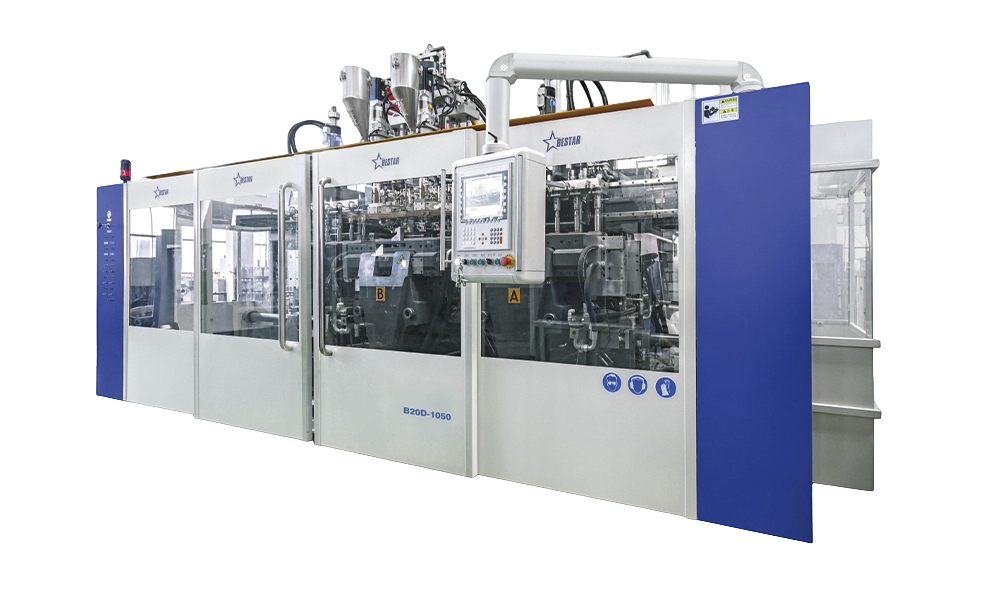
The mold clamping mechanism represents one of the most demanding lubrication applications in blow molding equipment, operating under high forces while maintaining precise positioning accuracy. Toggle linkages, tie bars, and clamping cylinders require heavy-duty lubricants capable of withstanding extreme pressures generated during mold closing and clamping operations. Linear guide rails supporting mold platens demand clean, low-viscosity oils that provide adequate load-carrying capacity while minimizing drag resistance that could affect positioning accuracy. Pivot points in toggle mechanisms experience concentrated loading and benefit from lithium-based greases with extreme pressure additives that prevent metal-to-metal contact under shock loading conditions. The frequency of mold opening and closing cycles, typically ranging from four to fifteen cycles per minute depending on bottle size, necessitates lubricants with excellent mechanical stability that resist breakdown from repeated stress.
Drive Systems and Chain Mechanisms
Chain drives powering preform feeding systems, bottle discharge conveyors, and auxiliary equipment require specialized chain lubricants formulated to penetrate link joints while providing adhesive properties that resist fling-off at operating speeds. Modern food-grade lubricants meeting NSF H1 certification standards are increasingly specified even for non-food bottle production to maintain clean production environments and prevent product contamination risks. Sprocket teeth and chain engagement surfaces experience sliding contact requiring lubricants with anti-wear additives such as zinc dialkyldithiophosphate compounds. Drive gearboxes transmitting power from electric motors to various machine functions operate with industrial gear oils selected based on viscosity grades appropriate for operating temperatures, load conditions, and gearbox design specifications provided by component manufacturers.
Pneumatic and Hydraulic Components
Pneumatic cylinders controlling blow pin positioning, gripper mechanisms, and ejector systems require air line lubricators delivering light mineral oils or synthetic lubricants compatible with pneumatic seals and designed for atomization in compressed air streams. Hydraulic systems powering high-force operations such as extrusion head movement or stretch rod actuation utilize hydraulic fluids with appropriate viscosity grades, typically ISO VG 32 or 46 for industrial hydraulic systems operating at ambient temperatures. These fluids must maintain stable viscosity across the operating temperature range, provide oxidation resistance for extended service life, and incorporate anti-wear additives protecting pump components and valve assemblies from erosive wear.
Lubricant Selection Criteria and Specifications
Choosing appropriate lubricants for blow molding machine applications requires evaluating multiple performance parameters and matching lubricant properties to specific operational demands and environmental conditions encountered during production operations.
| Component Type | Lubricant Type | Viscosity Grade | Key Properties |
| Linear Guides | Mineral or Synthetic Oil | ISO VG 32-68 | Low friction, anti-wear |
| Bearings | Lithium Grease | NLGI 2-3 | Water resistant, EP additives |
| Chains | Adhesive Chain Oil | ISO VG 100-220 | Tackiness, penetration |
| Gearboxes | Industrial Gear Oil | ISO VG 150-320 | Load capacity, oxidation stability |
| Pneumatic Systems | Air Tool Oil | ISO VG 32 | Low viscosity, seal compatible |
Temperature Considerations and Thermal Stability
Operating temperatures significantly influence lubricant performance and service life in blow molding applications. Components near heating elements or exposed to process heat from extruders may experience elevated temperatures requiring synthetic lubricants with superior thermal stability compared to conventional mineral oils. Polyalphaolefin synthetic lubricants maintain consistent viscosity across wide temperature ranges and resist oxidative degradation that causes conventional oils to thicken and form deposits. Conversely, machines operating in unheated facilities or cold climates require lubricants with low pour points and good cold-flow characteristics ensuring adequate lubrication during startup and low-temperature operation. Multi-grade formulations provide acceptable performance across broader temperature ranges but may not match specialized products optimized for extreme conditions.
Contamination Resistance and Cleanliness Requirements
Bottle manufacturing environments demand lubricants that minimize contamination risks to finished products while resisting degradation from airborne dust, moisture, and process contaminants. Food-safe lubricants certified to NSF H1 standards contain only ingredients approved for incidental food contact, providing additional safety margins even when producing non-food bottles. These formulations typically avoid heavy metal additives and chlorinated compounds that could pose contamination concerns. Synthetic lubricants generally exhibit better cleanliness characteristics than mineral oils, producing less residue and attracting less dust accumulation on exposed lubrication points. Sealed lubrication systems with effective filtration protect lubricants from contamination while extending service intervals by maintaining fluid cleanliness.
Establishing Effective Lubrication Schedules
Systematic lubrication scheduling ensures all machine components receive appropriate service at intervals that prevent lubrication-related failures while avoiding wasteful over-lubrication that increases costs and creates housekeeping problems. Manufacturer recommendations provide baseline schedules that should be refined based on actual operating conditions, production intensity, and environmental factors specific to each installation.
- Daily lubrication tasks typically include visual inspection of automatic lubricator reservoir levels, checking for lubricant leaks or unusual accumulations, verifying proper operation of metering pumps and distributors, and manually lubricating high-wear points experiencing continuous operation
- Weekly service intervals address moderate-use components including chain drives, guide rail wipers, pneumatic cylinder rod seals, and manual grease points on linkages and pivot pins requiring regular but not daily attention
- Monthly maintenance encompasses gearbox oil level verification, hydraulic reservoir inspection and topping-up, filter element examination for contamination indicators, and comprehensive lubrication system performance checks
- Quarterly or semi-annual schedules include complete fluid changes in gearboxes and hydraulic systems, bearing regreasing in low-speed applications, lubrication system filter replacement, and detailed component inspection for wear indicators
- Annual overhaul periods provide opportunities for complete lubrication system cleaning, replacement of aged lubricants regardless of apparent condition, seal and bearing replacement on preventive basis, and comprehensive documentation of component conditions
Best Practices for Lubrication Application and Storage
Proper lubricant handling and application techniques maximize the benefits of quality products while preventing contamination and waste that undermine lubrication effectiveness. Establishing standardized procedures ensures consistent practices across maintenance shifts and personnel changes.
Clean Application Methods
Contamination introduced during lubrication service causes more component damage than contaminated lubricant from suppliers, making clean application practices essential for maximizing component life. Grease guns should be dedicated to specific lubricant types to prevent cross-contamination between incompatible products, with clear labeling identifying contents and appropriate applications. Wiping grease fittings clean before connection removes accumulated dust and debris that could be forced into bearings during greasing. Oil application containers should have clean, dust-free spouts and be stored with caps in place when not in use. Transferring bulk lubricants into service containers should occur in clean areas away from production zones where airborne contaminants could enter during pouring operations.
Proper Storage Conditions
Lubricant storage environments significantly affect product quality and shelf life, requiring controlled conditions that prevent degradation before use. Indoor storage at moderate temperatures between fifteen and twenty-five degrees Celsius maintains lubricant properties and prevents condensation that introduces water contamination. Drums and containers should be stored horizontally or with bungs positioned at the highest points to prevent water accumulation around openings. Rotating inventory on first-in-first-out basis prevents excessive aging of stored products, particularly important for products containing active additives that may settle or degrade over extended periods. Maintaining material safety data sheets and technical data sheets for all lubricants in use facilitates proper selection, application, and emergency response should spills or exposure incidents occur.
Troubleshooting Common Lubrication-Related Problems
Recognizing symptoms of lubrication deficiencies or failures enables rapid corrective action before minor issues escalate into costly component damage or production disruptions. Systematic diagnosis identifies root causes rather than addressing symptoms alone.
Excessive Wear and Premature Failure
Accelerated component wear manifesting as increased clearances, excessive play in bearings or linkages, or visible scoring on sliding surfaces typically indicates inadequate lubrication or contaminated lubricant. Investigating the root cause requires examining lubrication delivery to affected components, verifying proper lubricant selection for application requirements, checking for contamination from water or particulates, and confirming lubricant quantities meet specifications without over or under-lubrication. Corrective actions may include increasing lubrication frequency, switching to heavier viscosity grades or products with enhanced extreme pressure additives, improving contamination protection through better sealing, or addressing misalignment issues causing abnormal loading patterns.
Overheating and Temperature Issues
Abnormally high operating temperatures in bearings, gearboxes, or linear guides suggest lubrication problems affecting heat dissipation or creating excessive friction. Over-lubrication with grease can cause churning losses and heat buildup, while under-lubrication starves components of necessary cooling. Lubricant degradation from oxidation reduces heat transfer capability and may form insulating deposits on heat transfer surfaces. Investigating temperature problems should include thermal imaging to identify hot spots, lubricant sampling to assess condition and contamination levels, verification of proper lubricant type and quantity, and examination of cooling provisions such as fins or forced air circulation.
Implementing Condition Monitoring and Predictive Maintenance
Advanced maintenance programs supplement scheduled lubrication with condition monitoring techniques that assess actual component health, enabling predictive maintenance interventions based on need rather than arbitrary time intervals. These approaches optimize maintenance resources while improving reliability.
Oil analysis programs periodically sample lubricants from gearboxes, hydraulic systems, and other sealed lubrication points, testing for viscosity changes, contamination levels, wear metal concentrations, and additive depletion. Trending results over time reveals developing problems before failures occur, guides fluid change intervals based on actual condition rather than calendar schedules, and provides early warning of component wear generating metallic particles. Vibration analysis monitoring bearing and gearbox conditions detects developing defects through characteristic frequency patterns, allowing planned component replacement during scheduled downtime rather than responding to unexpected failures. Thermographic surveys identify temperature anomalies indicating lubrication deficiencies, excessive friction, or cooling system problems requiring attention. Ultrasonic inspection detects inadequate lubrication through characteristic sounds of metal-to-metal contact in bearings and gears. Integrating these condition monitoring techniques with systematic lubrication maintenance creates comprehensive programs that maximize equipment reliability while optimizing maintenance efficiency and controlling costs through extended component life and reduced unplanned downtime.
