


 English


Introduction to PETG Blow Molding
What is PETG?
PETG (Polyethylene Terephthalate Glycol) is a type of thermoplastic polyester, known for its excellent clarity, ...
Content
- 1 What Is a Pharmaceutical Bottle Blow Molding Machine?
- 2 How Does a Blow Molding Machine Work?
- 3 What Are the Main Types of Pharmaceutical Bottle Blow Molding Machines?
- 4 Why Is Blow Molding Critical in Pharmaceutical Packaging?
- 5 What Are the Key Features of Modern Pharmaceutical Bottle Blow Molding Machines?
- 6 What Materials Are Commonly Used for Pharmaceutical Bottle Production?
- 7 What Are the Advantages of Using Blow Molding Machines in the Pharmaceutical Industry?
- 8 How Do Manufacturers Ensure Quality and Safety?
- 9 How Is Automation Changing Pharmaceutical Blow Molding?
- 10 Environmental and Sustainability Aspects
- 11 What Is the Future of Pharmaceutical Bottle Blow Molding Machines?
- 12 Conclusion: A Critical Technology for Safe and Efficient Pharmaceutical Packaging
In the pharmaceutical industry, packaging is much more than just a container for medicine—it is a critical component of product safety, quality, and shelf life. With increasing global demand for safe, efficient, and sterile packaging solutions, pharmaceutical bottle blow molding machines have become a cornerstone technology. But what makes these machines so essential, and how are they transforming the production of medicine bottles worldwide?
What Is a Pharmaceutical Bottle Blow Molding Machine?
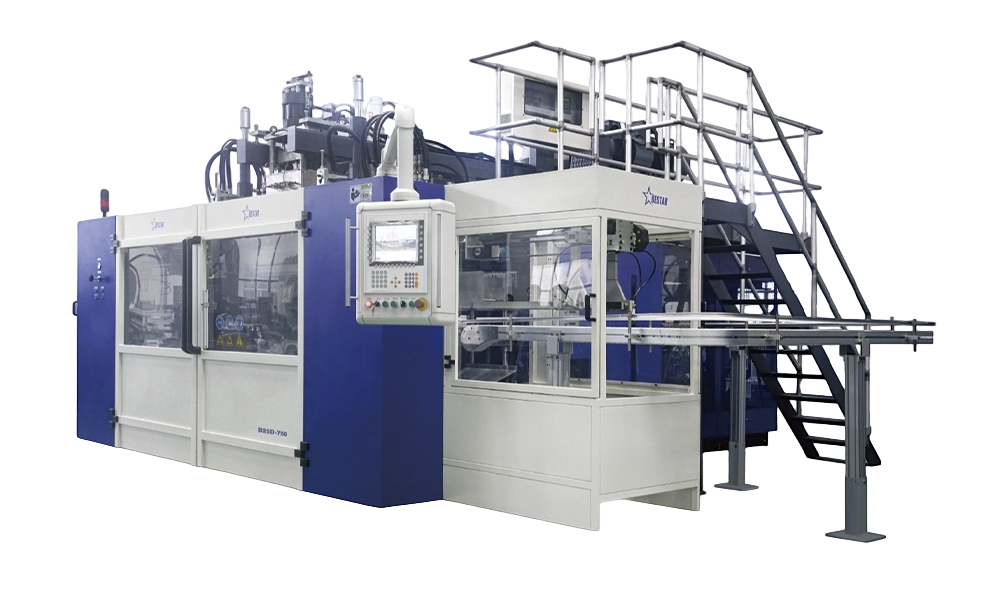
A Pharmaceutical Bottle Blow Molding Machine is a specialized manufacturing device used to produce plastic bottles, jars, and containers designed specifically for pharmaceutical use. These machines transform raw plastic materials such as PET (polyethylene terephthalate), HDPE (high-density polyethylene), LDPE (low-density polyethylene), or PP (polypropylene) into bottles that meet the strict hygiene and safety standards required by the pharmaceutical industry.
Blow molding technology relies on inflating a heated plastic preform or parison inside a mold cavity until it takes the desired bottle shape. The process creates lightweight, strong, and uniform containers that are resistant to contamination, leakage, and chemical degradation.
How Does a Blow Molding Machine Work?
Blow molding for pharmaceutical bottles typically follows a systematic and highly controlled process. The production stages include:
- Material Feeding and Melting: Plastic granules or pellets (e.g., HDPE or PET) are fed into an extruder, where they are melted and homogenized.
- Parison or Preform Formation: The molten plastic is either extruded into a tube-like parison (for extrusion blow molding) or injected into a preform mold (for injection stretch blow molding).
- Blowing: The parison or preform is placed inside a metal mold, and compressed air is blown into it, forcing the soft plastic to expand and take the shape of the mold cavity.
- Cooling and Ejection: After the bottle forms, it is cooled and ejected from the mold.
- Trimming and Inspection: Excess plastic is trimmed off, and bottles are inspected for quality assurance before packaging.
The entire process is automated, precise, and designed to minimize contamination risk—an essential factor in pharmaceutical manufacturing.
What Are the Main Types of Pharmaceutical Bottle Blow Molding Machines?
There are several types of blow molding machines, each suited to specific bottle designs and production requirements:
1. Extrusion Blow Molding (EBM) Machines
In EBM, a molten parison is extruded vertically and then enclosed in a mold where compressed air shapes it.
- Advantages: Suitable for complex bottle shapes, handles, and larger containers.
- Materials: Often used for HDPE or LDPE.
2. Injection Blow Molding (IBM) Machines
IBM involves injecting molten plastic into a preform mold and then transferring it to a blow mold for inflation.
- Advantages: Produces bottles with excellent neck finish, smooth surfaces, and high precision.
- Applications: Ideal for small medical bottles and dropper containers.
3. Injection Stretch Blow Molding (ISBM) Machines
This two-step process combines injection molding and blow molding, allowing for biaxial stretching of the preform.
- Advantages: Produces lightweight, strong bottles with superior clarity.
- Materials: Commonly used for PET bottles.
Each method offers specific benefits depending on the material type, bottle size, and production volume required by the pharmaceutical company.
Why Is Blow Molding Critical in Pharmaceutical Packaging?
Pharmaceutical packaging requires absolute precision and hygiene. The use of blow molding machines ensures that bottles meet strict GMP (Good Manufacturing Practice) and FDA standards. Some key advantages include:
- High Production Efficiency: Automated systems produce thousands of bottles per hour with consistent quality.
- Contamination Control: Fully enclosed production systems minimize human contact and environmental exposure.
- Customization: Molds can be designed for bottles of various sizes, shapes, and functional features (e.g., tamper-evident caps, droppers, or measuring marks).
- Material Versatility: Compatible with different plastics suitable for both liquid and solid medicines.
- Cost-Effective Production: Blow molding reduces material waste and overall manufacturing costs.
In essence, blow molding machines make it possible to produce pharmaceutical bottles that are both safe and economically viable on a mass scale.
What Are the Key Features of Modern Pharmaceutical Bottle Blow Molding Machines?
Modern machines are designed with precision engineering and advanced automation technologies to ensure maximum performance. Their standout features include:
- Servo Motor Control: Enables energy-efficient and accurate operations.
- Touchscreen PLC Interface: Simplifies machine control, parameter adjustment, and error detection.
- High Precision Molds: Ensures uniform bottle thickness and perfect sealing performance.
- Cleanroom Compatibility: Machines are designed to operate in controlled environments that meet pharmaceutical-grade hygiene standards.
- Quick Mold Change System: Reduces downtime during production shifts.
- Energy Efficiency: Modern heating systems and air recovery technologies reduce power consumption.
These features ensure high productivity, minimal waste, and consistent bottle quality — all vital in pharmaceutical manufacturing.
What Materials Are Commonly Used for Pharmaceutical Bottle Production?
The choice of plastic material depends on the type of medicine being packaged and the required performance characteristics. Common materials include:
-
HDPE (High-Density Polyethylene):
- Excellent moisture resistance
- Suitable for tablets and dry powders
- Widely used for solid-dose packaging
-
LDPE (Low-Density Polyethylene):
- Flexible and squeezable
- Ideal for ophthalmic (eye drop) and nasal spray bottles
-
PET (Polyethylene Terephthalate):
- Transparent and strong
- Common for liquid medications and syrups
-
PP (Polypropylene):
- High chemical resistance
- Often used for containers that require sterilization
By matching the correct polymer with the blow molding technique, manufacturers ensure product stability and safety throughout the shelf life.
What Are the Advantages of Using Blow Molding Machines in the Pharmaceutical Industry?
Blow molding technology offers several significant benefits over traditional glass or metal container production:
- Lightweight Design: Plastic bottles are easier to transport and handle than glass containers.
- Shatter Resistance: Essential for ensuring safety during shipping and storage.
- Improved Shelf Life: Tight sealing and chemical resistance protect medicines from moisture, oxygen, and light.
- Design Flexibility: Allows manufacturers to create ergonomic, user-friendly bottle shapes.
- Reduced Costs: Plastic bottles are cheaper to produce and ship.
Moreover, blow molding allows precise control of bottle dimensions and wall thickness, ensuring every unit meets pharmaceutical standards.
How Do Manufacturers Ensure Quality and Safety?
The pharmaceutical industry demands uncompromising quality assurance. Blow molding machines are integrated with advanced monitoring and inspection systems that ensure each bottle meets the required specifications. These include:
- Vision Inspection Systems: Detect visual defects such as holes, uneven surfaces, or discoloration.
- Leak Testing Units: Ensure bottles are airtight and leakproof.
- Weight and Wall Thickness Control: Maintain consistency in product weight and material usage.
- Sterility Compliance: Machines are built for easy cleaning and maintenance to comply with hygiene standards.
By using automated inspection systems, manufacturers minimize human error and ensure consistent output quality.
How Is Automation Changing Pharmaceutical Blow Molding?
Automation and digital technologies are transforming blow molding into a highly intelligent process. Modern machines incorporate IoT (Internet of Things) and AI-based monitoring systems to:
- Track real-time production data
- Predict maintenance needs
- Reduce downtime through remote diagnostics
- Optimize energy and air consumption
This shift toward smart manufacturing not only enhances productivity but also ensures regulatory compliance through digital traceability.
Environmental and Sustainability Aspects
As sustainability becomes a global priority, the pharmaceutical packaging industry is moving toward eco-friendly materials and energy-efficient machines. Blow molding manufacturers are responding with innovations such as:
- Recyclable Plastics: Use of PET and HDPE, both highly recyclable materials.
- Energy-Efficient Heating Systems: Infrared heating reduces energy use by up to 30%.
- Material Optimization: Advanced mold design minimizes raw material waste.
- Recycled Resin Compatibility: Machines capable of processing post-consumer recycled plastics without compromising quality.
These developments ensure that the pharmaceutical bottle production process aligns with modern sustainability goals.
What Is the Future of Pharmaceutical Bottle Blow Molding Machines?
The future of blow molding machines is moving toward greater precision, sustainability, and digital integration. Trends to watch include:
- All-Electric Blow Molding Machines: For cleaner, quieter, and more energy-efficient operation.
- Integrated Sterilization Systems: For even higher hygiene assurance.
- Advanced Mold Technologies: For lightweight and ultra-clear bottle designs.
- Smart Factory Connectivity: Allowing real-time control and predictive maintenance across global production lines.
As pharmaceutical packaging requirements evolve, blow molding machines will continue to adapt, offering even greater efficiency, safety, and design flexibility.
Conclusion: A Critical Technology for Safe and Efficient Pharmaceutical Packaging
In an industry where product safety, accuracy, and efficiency are paramount, Pharmaceutical Bottle Blow Molding Machines play a vital role. They combine advanced engineering, automation, and material science to produce bottles that meet the world’s highest quality standards.
From small medical dropper bottles to large liquid medicine containers, these machines ensure every unit is precise, hygienic, and reliable. As technology advances, blow molding will continue to shape the future of pharmaceutical packaging—making it smarter, greener, and more efficient than ever before.
