


 English


Introduction to PETG Blow Molding
What is PETG?
PETG (Polyethylene Terephthalate Glycol) is a type of thermoplastic polyester, known for its excellent clarity, ...
Content
- 1 Understanding Blow Molding Machines for Lubricant Bottles
- 2 Types of Blow Molding Machines
- 3 Key Features to Consider
- 4 Material and Bottle Design Considerations
- 5 Automation and Production Efficiency
- 6 Maintenance, Support, and Reliability
- 7 Cost Considerations and ROI
- 8 Comparison Table of Common Blow Molding Machines
- 9 Conclusion
Choosing the right blow molding machine for lubricant oil bottles is a critical decision for manufacturers aiming to balance production efficiency, product quality, and cost-effectiveness. These machines are specialized for producing high-precision, uniform bottles capable of safely storing various types of lubricants. Understanding the key features, types, and operational considerations of blow molding machines ensures optimal selection for any production line.
Understanding Blow Molding Machines for Lubricant Bottles
Blow molding is a manufacturing process used to create hollow plastic bottles by inflating a heated plastic preform inside a mold. Lubricant oil bottle blow molding machines are specifically designed to handle materials like high-density polyethylene (HDPE) or polypropylene (PP), which provide chemical resistance and durability suitable for lubricant storage.
These machines are widely used in automotive, industrial, and consumer lubricant packaging, producing bottles that meet safety standards while maintaining consistent wall thickness and structural integrity. Choosing the correct machine ensures efficiency and minimizes production waste.
Types of Blow Molding Machines
Extrusion Blow Molding (EBM)
Extrusion blow molding involves melting plastic and extruding it into a parison, which is then clamped in a mold and inflated. EBM machines are ideal for medium to large-sized lubricant bottles and offer flexibility in design and bottle shape. They are suitable for high-volume production but require precise control to maintain uniform thickness.
Injection Blow Molding (IBM)
Injection blow molding starts with injection molding a preform, which is then transferred to a blow mold. IBM machines provide high precision, making them suitable for small to medium-sized bottles with complex neck finishes. They offer better control over bottle dimensions and are ideal for high-quality lubricant packaging.
Stretch Blow Molding (SBM)
Stretch blow molding is commonly used for bottles requiring improved mechanical strength and clarity. While more typical in beverage bottles, SBM machines can be applied to lubricant bottles where enhanced barrier properties or aesthetic appeal is desired. They stretch the preform both axially and radially before inflation, producing a more uniform wall thickness.
Key Features to Consider
When selecting a blow molding machine for lubricant oil bottles, several critical features determine performance and suitability:
- Production Capacity: Evaluate the machine’s output per hour to match your demand.
- Material Compatibility: Ensure the machine supports HDPE, PP, or other required polymers.
- Mold Versatility: Check if the machine allows for easy mold changes for different bottle sizes and designs.
- Precision and Wall Thickness Control: Uniform bottles prevent leaks and maintain structural integrity.
- Automation and Integration: Modern machines with automated feeding, cooling, and ejection improve efficiency.
- Energy Efficiency: Machines with optimized heating and motor systems reduce operational costs.
- Maintenance and Longevity: Consider machines with accessible components for easier upkeep.
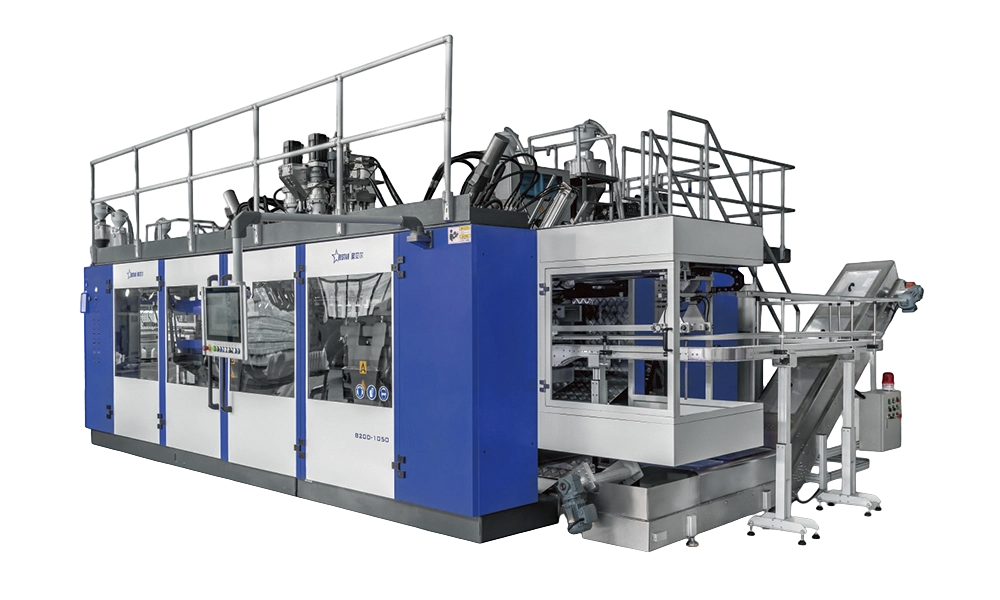
Material and Bottle Design Considerations
Lubricant bottles require chemical resistance and durability to prevent leaks or degradation. HDPE is the most commonly used material due to its excellent chemical resistance, impact strength, and lightweight properties. Bottle design also affects machine selection; complex shapes, thin walls, or narrow necks require precision machines capable of maintaining consistent quality.
Design considerations include:
- Neck Finish: Ensures compatibility with caps and dispensing nozzles.
- Wall Thickness: Affects strength and material usage efficiency.
- Ergonomics: Shapes that are easy to handle and pour.
- Labeling and Printing: Machines should accommodate bottles suitable for post-processing.
Automation and Production Efficiency
Automation enhances productivity and reduces labor costs. Modern blow molding machines for lubricant bottles often include automated preform feeding, heating, blow cycles, and ejection. Some machines integrate quality control sensors to detect defects like uneven walls or flash formation, ensuring high-quality output.
Higher levels of automation reduce downtime, improve consistency, and enable 24/7 operation in high-demand facilities. Evaluating the degree of automation relative to production goals is essential when selecting the right machine.
Maintenance, Support, and Reliability
Maintenance requirements vary between machines. Machines with modular components and easy access to critical parts reduce downtime and repair costs. Additionally, choosing manufacturers with strong technical support, spare parts availability, and training programs ensures long-term reliability and performance.
Cost Considerations and ROI
The initial investment in a blow molding machine depends on its type, automation level, and production capacity. While high-end machines may have higher upfront costs, their long-term ROI can be substantial due to energy efficiency, lower labor requirements, reduced scrap rates, and minimal maintenance. A careful assessment of production needs, bottle specifications, and budget ensures cost-effective selection.
Comparison Table of Common Blow Molding Machines
| Machine Type | Best For | Production Speed | Bottle Size Range |
| Extrusion Blow Molding | Medium to Large Bottles | High | 100ml–5L |
| Injection Blow Molding | Small to Medium Bottles | Medium | 50ml–2L |
| Stretch Blow Molding | High Strength & Clear Bottles | Medium | 100ml–3L |
Conclusion
Selecting the right blow molding machine for lubricant oil bottles requires careful consideration of bottle size, material, production volume, automation, and maintenance requirements. By evaluating the different types of machines, key features, and long-term cost benefits, manufacturers can ensure efficient, high-quality, and reliable production. Investing in the appropriate blow molding equipment ultimately enhances productivity, reduces waste, and provides a competitive advantage in the lubricant packaging industry.
