


 English


Introduction to PETG Blow Molding
What is PETG?
PETG (Polyethylene Terephthalate Glycol) is a type of thermoplastic polyester, known for its excellent clarity, ...
Content
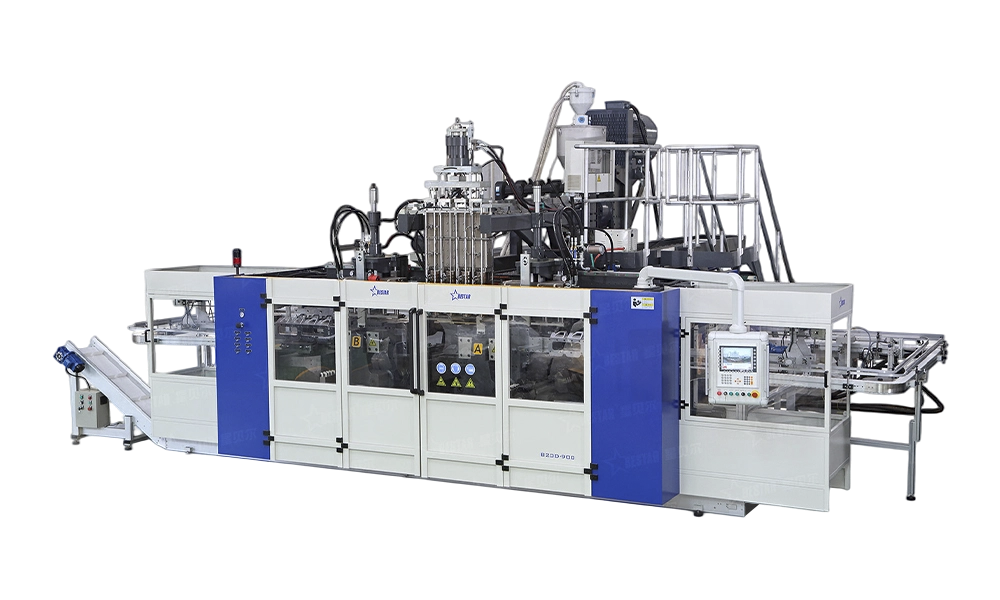
Sauce bottle blow molding machines are specialized equipment used to manufacture hollow plastic bottles for sauces, condiments, and similar products. They operate by melting thermoplastic material, typically PET or HDPE, and shaping it into a bottle through the blow molding process. Maintaining optimal machine performance is critical for consistent production, product quality, and minimizing downtime in high-volume operations.
Troubleshooting and regular maintenance are key practices that ensure the machine functions efficiently. Operators and maintenance teams need a thorough understanding of common issues, preventive measures, and step-by-step solutions to keep production lines running smoothly.
Daily Maintenance Practices
Daily maintenance is essential for preventing wear and tear and identifying minor issues before they become major problems. Key daily checks include visual inspection, cleaning, lubrication, and verifying system performance.
Visual Inspection
- Inspect mold surfaces for cracks, residue, or deformation that could affect bottle shape and quality.
- Check for loose or worn fasteners, belts, and chains in the machine mechanism.
- Examine electrical wiring, connectors, and sensors for visible damage or corrosion.
Cleaning Procedures
Cleaning the machine daily prevents material build-up and contamination that can compromise product quality. Use recommended cleaning agents to remove polymer residues from molds, nozzles, and extruder components. Avoid abrasive tools that could damage machine surfaces. Ensure that air vents and cooling channels are free of dust and debris to maintain efficient cooling.
Lubrication and Moving Parts
Regular lubrication of moving components such as chains, gears, bearings, and guide rails reduces friction and wear. Use manufacturer-specified lubricants, and maintain a lubrication schedule. Over-lubrication should be avoided as it can attract dust and create buildup that impedes movement.
Weekly and Monthly Maintenance Routines
In addition to daily checks, more comprehensive weekly and monthly routines enhance reliability and extend the machine’s service life. These tasks often involve component inspection, calibration, and minor adjustments.
Mold and Barrel Maintenance
Inspect molds for signs of wear, scratches, or uneven surfaces. Minor imperfections can be polished or repaired to maintain bottle quality. Clean barrels and extruders thoroughly and remove any residual plastic. Check heater bands and thermocouples for consistent temperature readings, ensuring uniform polymer melting.
System Calibration
Verify that blow pressure, cycle time, and mold closing forces are within manufacturer specifications. Calibrate sensors, temperature controllers, and pneumatic systems. Regular calibration prevents inconsistencies in bottle dimensions, wall thickness, and material distribution.
Inspection of Hydraulic and Pneumatic Systems
Check for leaks, pressure drops, and proper fluid levels in hydraulic systems. Inspect pneumatic lines and valves for damage or blockage. Ensure that cylinders and actuators move smoothly and respond accurately to control signals. Replace worn seals to prevent fluid contamination or pressure loss.
Common Troubleshooting Scenarios
Blow molding machines can experience a range of issues that affect bottle quality, production efficiency, and machine longevity. Identifying the root cause quickly allows for rapid corrective action.
Bottle Deformation or Inconsistent Wall Thickness
- Causes: Uneven mold temperature, insufficient blow pressure, or irregular polymer flow.
- Solutions: Verify mold heating elements, adjust blow pressure, and ensure consistent resin feed.
Machine Stoppages or Unresponsive Controls
- Causes: Electrical faults, sensor misalignment, or controller software errors.
- Solutions: Inspect wiring and connectors, realign sensors, restart or update control software.
Excessive Scrap or Material Waste
- Causes: Incorrect extrusion temperature, mold misalignment, or worn screw/barrel components.
- Solutions: Adjust extrusion temperature, realign molds, replace worn screws or barrels.
Preventive Maintenance Strategies
Preventive maintenance minimizes unexpected downtime and ensures consistent bottle quality. Develop a detailed maintenance schedule that includes daily, weekly, and monthly checks. Keep a log of inspections, repairs, and parts replacement to track machine history and identify recurring issues.
Train operators and maintenance personnel to recognize early warning signs such as unusual noises, vibration, or temperature fluctuations. Implementing preventive measures reduces repair costs, extends equipment lifespan, and maintains production efficiency.
Spare Parts Management and Replacement
Maintaining an inventory of critical spare parts ensures rapid repair and minimal downtime. Key components to keep in stock include heater bands, thermocouples, molds, extruder screws, and hydraulic seals. Establishing relationships with reliable suppliers helps secure parts availability and ensures compatibility with the machine model.
Conclusion
Proper maintenance and timely troubleshooting of sauce bottle blow molding machines are essential for optimal performance, consistent product quality, and long-term reliability. By implementing daily, weekly, and monthly maintenance routines, monitoring critical parameters, and addressing common issues proactively, operators can significantly reduce downtime and extend machine lifespan. Effective preventive strategies, combined with thorough training and spare parts management, ensure that production lines operate smoothly and efficiently, meeting high-volume manufacturing demands for sauce bottles and similar products.
