


 English


Introduction to PETG Blow Molding
What is PETG?
PETG (Polyethylene Terephthalate Glycol) is a type of thermoplastic polyester, known for its excellent clarity, ...
Content
- 1 Introduction: Importance of Regular Maintenance for Milk Bottle Blow Molding Machines
- 2 Why Is Maintenance Crucial for Milk Bottle Blow Molding Machines?
- 3 Key Components to Maintain in Milk Bottle Blow Molding Machines
- 4 Scheduled Maintenance for Milk Bottle Blow Molding Machines
- 5 Common Issues and How to Troubleshoot
- 6 Conclusion: Keep Your Machine Running Efficiently
Introduction: Importance of Regular Maintenance for Milk Bottle Blow Molding Machines
Milk bottle blow molding machines play a critical role in producing durable, high-quality plastic bottles for the dairy industry. Like all industrial machinery, they require regular maintenance to ensure smooth operation, minimize downtime, and extend their lifespan. Neglecting proper maintenance can lead to costly repairs, reduced product quality, and inefficient production processes. In this article, we will explore the essential maintenance requirements for milk bottle blow molding machines, offering practical tips and a clear schedule to follow.
Why Is Maintenance Crucial for Milk Bottle Blow Molding Machines?
A blow molding machine is a complex piece of equipment that operates under high temperatures, pressures, and speeds. These factors put significant stress on the components. Regular maintenance helps to:
- Prevent breakdowns and downtime by identifying issues early.
- Ensure consistent quality in the milk bottles produced.
- Increase the efficiency of the production line.
- Reduce repair and replacement costs in the long term.
Key Components to Maintain in Milk Bottle Blow Molding Machines
To maintain optimal performance, it’s essential to focus on the main components of the blow molding machine:
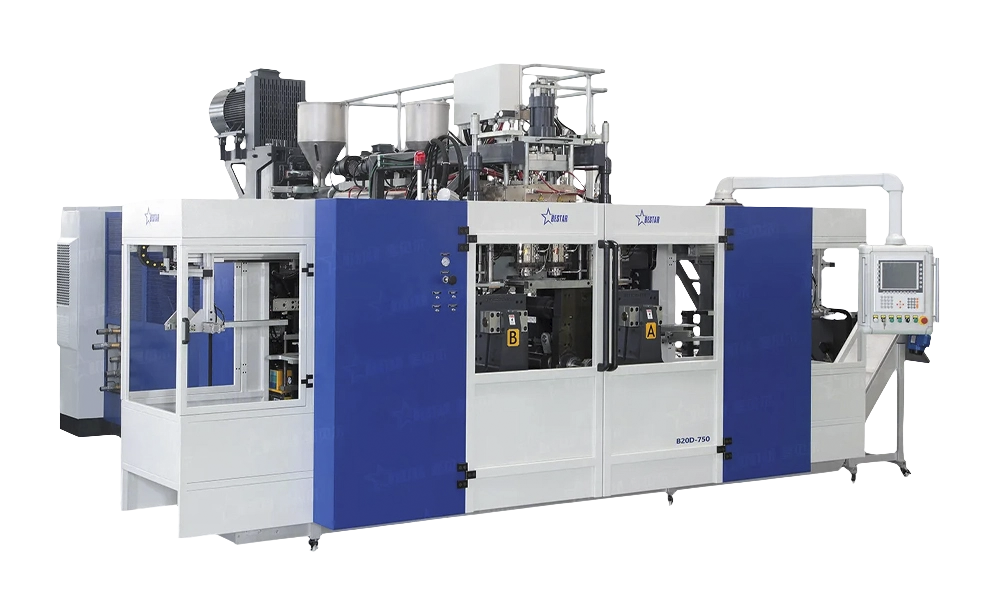
1. Mold Cleaning and Maintenance
Molds are critical for shaping the plastic into milk bottles. They need to be cleaned regularly to prevent plastic build-up, which can cause defects in the final product. Use a mold cleaner that is suitable for the materials used and ensure that they are free of any debris, oils, or dust.
- Clean the molds after every production run.
- Inspect the mold for wear and tear, such as cracks or misalignment.
- Lubricate moving parts to ensure smooth operation.
2. Air Compressor Maintenance
Air compressors are essential for creating the pressure needed in the blow molding process. Maintaining the compressor ensures that it works efficiently without overheating or losing pressure. Clean the air filters regularly and replace them when necessary.
- Check for air leaks that can reduce efficiency.
- Change oil filters as per the manufacturer’s recommendations.
- Ensure the air intake is clean and free of debris.
3. Hydraulic System Checks
The hydraulic system controls various movements in the machine, such as the clamp, mold opening, and closing. Regular inspection of the hydraulic system helps to identify leaks and ensure the fluid levels are adequate.
- Check the hydraulic oil level and top up when necessary.
- Inspect hoses and valves for leaks or damage.
- Replace hydraulic oil at the recommended intervals.
4. Temperature and Cooling System
Maintaining the correct temperature is essential to the molding process. Overheating can lead to malfunctions, while inadequate cooling can result in poor-quality bottles. Check the cooling system regularly to ensure proper heat regulation and circulation.
- Clean cooling fans and pipes to ensure proper heat dissipation.
- Ensure that water or coolant flow is uninterrupted and efficient.
- Check for any blockages or leaks in the cooling system.
Scheduled Maintenance for Milk Bottle Blow Molding Machines
A structured maintenance schedule is vital for keeping the machine in good working condition. Below is a basic maintenance schedule to follow:
| Frequency | Maintenance Task |
| Daily | Clean molds, inspect air compressor, check hydraulic fluid levels. |
| Weekly | Inspect and clean cooling system, check for leaks in hydraulic system. |
| Monthly | Lubricate moving parts, replace filters, check for mold wear and tear. |
| Quarterly | Replace hydraulic oil, perform a full system check for major components. |
Common Issues and How to Troubleshoot
Despite regular maintenance, problems may arise from time to time. Here are some common issues and their solutions:
1. Air Compressor Pressure Loss
If the compressor is not maintaining the correct pressure, check for air leaks in the system, particularly around seals and valves. Also, verify that the air filter is not clogged.
2. Poor Bottle Quality
Inconsistent bottle quality can result from issues like improper mold cleaning, temperature fluctuations, or inadequate air pressure. Ensure molds are cleaned regularly and temperature controls are functioning properly.
3. Hydraulic System Leaks
Leaks in the hydraulic system can cause poor performance and potential damage. Inspect hydraulic hoses and replace any worn-out seals or valves.
Conclusion: Keep Your Machine Running Efficiently
Proper maintenance of your milk bottle blow molding machine is essential for ensuring high-quality production and extending the lifespan of the machine. Regular inspections, timely replacements of parts, and adhering to a maintenance schedule can minimize downtime and improve overall efficiency. By investing in proper care, your machine will continue to produce top-quality bottles for years to come, keeping your production line smooth and cost-effective.
