


 English


Introduction to PETG Blow Molding
What is PETG?
PETG (Polyethylene Terephthalate Glycol) is a type of thermoplastic polyester, known for its excellent clarity, ...
Content
- 1 What Is a 2-Layer Pesticide Bottle Blow Molding Machine?
- 2 Why Are 2-Layer Bottles Essential for Pesticides?
- 3 What Are the Key Features of 2-Layer Pesticide Bottle Machines?
- 4 What Are the Applications of 2-Layer Pesticide Bottles?
- 5 What Are the Advantages of Using a 2-Layer Blow Molding Machine?
- 6 What Should Manufacturers Consider When Choosing a Machine?
- 7 Conclusion: Are 2-Layer Pesticide Bottle Machines Worth the Investment?
What Is a 2-Layer Pesticide Bottle Blow Molding Machine?
A 2-layer pesticide bottle blow molding machine is specialized equipment used to produce double-layered plastic bottles for storing and transporting pesticides and other chemical liquids. The dual-layer design ensures that the inner layer is resistant to chemical corrosion while the outer layer provides mechanical strength and environmental protection. This technology is widely adopted in the agrochemical industry to meet safety, durability, and regulatory standards.
Why Are 2-Layer Bottles Essential for Pesticides?
Pesticides are often corrosive and can degrade ordinary plastic containers over time. 2-layer bottles address these challenges:
- Chemical Resistance: The inner layer can be made of high-density polyethylene (HDPE) or other resistant materials.
- Mechanical Strength: The outer layer ensures impact resistance and structural integrity during storage and transportation.
- Environmental Safety: Dual-layer construction reduces the risk of leaks and contamination.
- Compliance: Meets international safety and packaging standards for agrochemicals.
The machine employs extrusion blow molding technology to produce double-layer bottles. The process includes:
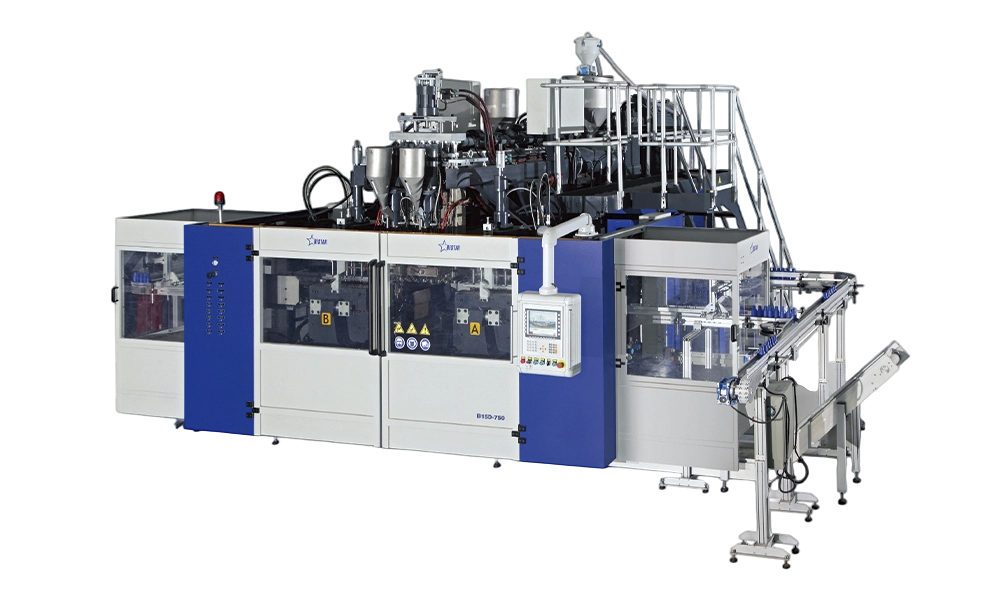
Material Extrusion
Two different polymer materials are fed into separate extruders. The inner extruder forms the chemically resistant layer, while the outer extruder forms the protective structural layer. Both materials converge in a co-extrusion die to form a dual-layer parison.
Mold Blowing
The co-extruded parison is enclosed within a mold cavity. Compressed air inflates the parison, pressing it against the mold walls, forming the final bottle shape with uniform wall thickness for both layers.
Cooling and Ejection
The mold is cooled to solidify the plastic layers. Once cooled, the finished bottle is ejected. The process ensures a seamless bond between the inner and outer layers, maintaining chemical resistance and structural integrity.
What Are the Key Features of 2-Layer Pesticide Bottle Machines?
Modern 2-layer blow molding machines offer advanced features for efficiency and precision:
- High Precision Co-Extrusion: Ensures consistent thickness and strong bonding between layers.
- Adjustable Output: Suitable for different bottle sizes and production volumes.
- Automation: PLC-controlled operations for stable production, minimal human intervention, and reduced error rates.
- Energy Efficiency: Designed to reduce power consumption without compromising output.
- Easy Maintenance: Modular design allows quick replacement of parts and simplified cleaning.
What Are the Applications of 2-Layer Pesticide Bottles?
These bottles are mainly used in agrochemical and chemical industries for packaging hazardous liquids. Typical applications include:
- Pesticides and Herbicides: Ensuring long-term storage without degradation.
- Fertilizer Liquids: Preventing leakage and corrosion during transportation.
- Industrial Chemicals: Packaging corrosive liquids like acids and solvents safely.
- Household Chemicals: Dual-layer bottles for detergents or cleaning agents with strong chemical activity.
What Are the Advantages of Using a 2-Layer Blow Molding Machine?
- Improved Product Safety: Inner layer resists chemical corrosion, reducing leaks and contamination.
- Cost Savings: Reduced product loss due to container failure and longer shelf life.
- High Efficiency: Automated, continuous production minimizes downtime.
- Versatility: Capable of producing bottles of varying shapes, sizes, and capacities to meet market demands.
- Regulatory Compliance: Ensures packaging meets agrochemical safety standards.
What Should Manufacturers Consider When Choosing a Machine?
Choosing the right 2-layer blow molding machine depends on multiple factors:
- Production Capacity: Evaluate daily output requirements to select the appropriate model.
- Bottle Specifications: Consider size, shape, and material requirements.
- Automation Level: Higher automation reduces labor but increases upfront investment.
- Maintenance and Support: Availability of spare parts and technical assistance is critical for continuous operation.
- Energy Consumption: Machines with optimized energy use reduce long-term operating costs.
Conclusion: Are 2-Layer Pesticide Bottle Machines Worth the Investment?
For agrochemical manufacturers, investing in a 2-layer pesticide bottle blow molding machine is essential for product safety, durability, and regulatory compliance. With high efficiency, chemical resistance, and versatile production capabilities, these machines provide long-term value and reliability in chemical packaging operations.
