


 English


Introduction to PETG Blow Molding
What is PETG?
PETG (Polyethylene Terephthalate Glycol) is a type of thermoplastic polyester, known for its excellent clarity, ...
Content
- 1 Types of Blow Molding Machines for Food and Beverage Packaging
- 2 Key Components and Working Process
- 3 Material Selection for Food and Beverage Containers
- 4 How to Choose the Right Blow Molding Machine for Your Production
- 5 Quality Control and Safety in Food Beverage Blow Molding
- 6 Conclusion: Maximizing Efficiency with the Right Blow Molding Solution
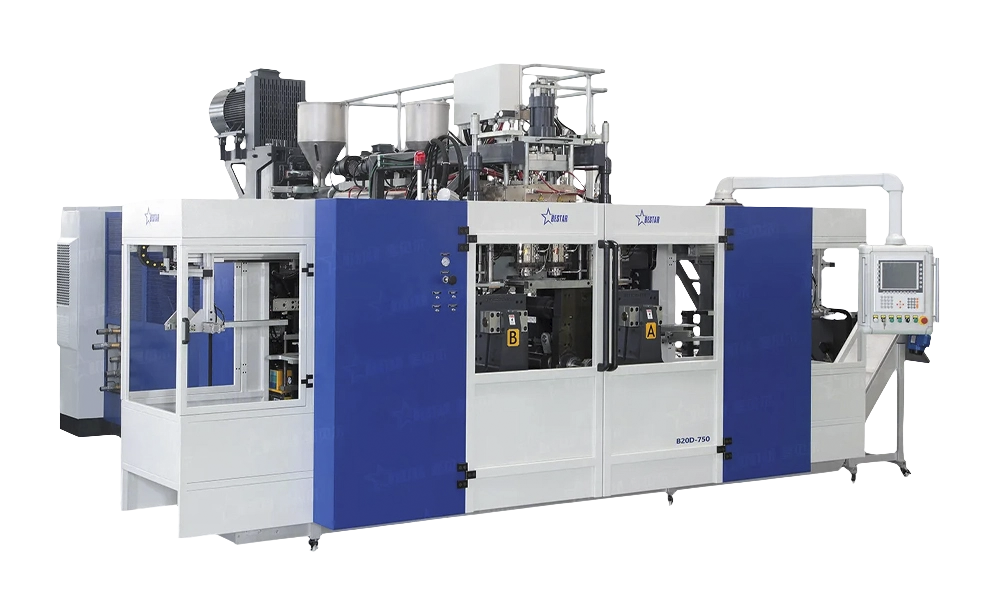
A food beverage blow molding machine is specialized equipment used to produce hollow plastic containers such as bottles, jars, and flasks for the food and beverage industry. These machines shape plastic materials by melting and inflating preformed parisons (tubes of molten plastic) inside a mold. The result is a seamless container with consistent wall thickness and high production efficiency. Food beverage blow molding machines are widely used to manufacture packaging for water, juices, dairy products, edible oils, sauces, and carbonated drinks.
Types of Blow Molding Machines for Food and Beverage Packaging
Blow molding machines for the food and beverage sector come in various configurations to meet different production demands, container sizes, and material requirements. The main types include extrusion blow molding (EBM), injection stretch blow molding (ISBM), and injection blow molding (IBM). Each type offers unique advantages in terms of precision, production speed, and container quality.
Extrusion Blow Molding (EBM)
Extrusion blow molding is a common method for producing large-capacity bottles and containers such as water jugs, edible oil bottles, and industrial containers. In EBM, a molten plastic parison is extruded vertically or horizontally and captured by a mold. Compressed air inflates the parison to the mold shape, and the container is cooled and ejected. EBM is ideal for high-volume production with relatively simple shapes and thicker walls.
Injection Stretch Blow Molding (ISBM)
ISBM is the preferred method for producing high-quality PET bottles used for beverages such as water, soda, and juices. This process starts with injection molding a preform, which is then reheated and stretched in a blow mold. The stretching aligns polymer molecules, improving clarity, strength, and barrier properties. ISBM offers precise control over wall thickness and is suitable for lightweight, high-performance containers.
Injection Blow Molding (IBM)
Injection blow molding combines injection molding and blow molding in one process. It is commonly used for producing small bottles and containers such as those for condiments, pharmaceuticals, and personal care products. IBM offers excellent dimensional accuracy and smooth surface finish, but typically has lower production speed compared to ISBM and EBM.
Key Components and Working Process
Understanding the core components of a food beverage blow molding machine helps operators optimize performance and ensure consistent product quality. While designs vary by machine type, most blow molding systems share several key elements including the extruder or injection unit, mold system, clamping unit, and cooling system.
Extruder or Injection Unit
The extruder or injection unit is responsible for melting and plasticizing raw material pellets. In EBM machines, the extruder produces a continuous parison, while in ISBM and IBM machines, the injection unit produces preforms. Temperature control is critical at this stage, as improper melting can lead to uneven wall thickness, bubbles, or weak spots in the final container.
Mold and Clamping System
The mold defines the final shape of the container and must be designed to ensure uniform wall distribution and easy ejection. The clamping system holds the mold tightly closed during blowing and cooling. In multi-cavity systems, precise synchronization is required to ensure consistent production across all cavities.
Blowing and Cooling System
Blowing is performed using high-pressure air, which inflates the parison or preform into the mold cavity. Cooling is achieved through water channels in the mold or external cooling systems to solidify the plastic quickly. Proper cooling is essential to prevent warping, shrinkage, or deformation, especially for containers used in food and beverage applications where shape integrity matters.
Material Selection for Food and Beverage Containers
Material selection is a critical decision for food and beverage packaging, as it impacts product safety, shelf life, appearance, and recyclability. The most common materials used in blow molding for this industry include PET, HDPE, and PP. Each material offers different properties that suit specific applications.
| Material | Common Uses | Advantages | Considerations |
| PET | Beverage bottles | High clarity, strength, barrier | Requires precise temperature control |
| HDPE | Milk, juice, edible oils | Chemical resistance, durability | Lower clarity than PET |
| PP | Caps, jars, squeezable bottles | Heat resistance, lightweight | More prone to stress cracking |
How to Choose the Right Blow Molding Machine for Your Production
Choosing the right blow molding machine requires analyzing production needs, container specifications, and operational costs. Key factors include output capacity, bottle size, material type, and automation level. Manufacturers must also consider maintenance requirements, energy consumption, and compatibility with downstream filling and labeling equipment.
Production Capacity and Cycle Time
Production capacity is determined by the number of cavities, cycle time, and automation level. High-speed ISBM machines with multi-cavity molds can produce thousands of bottles per hour, making them suitable for large beverage companies. For smaller operations, single-cavity or low-cavity machines may be more cost-effective and easier to maintain.
Automation and Integration
Modern blow molding machines often integrate with automatic preform feeders, robotic bottle handling, and inline quality inspection systems. Automation reduces labor costs and improves consistency, but it also requires higher initial investment and technical support. Consider the balance between automation and flexibility when selecting equipment.
Energy Efficiency and Cost Control
Energy consumption is a major operational cost, especially for large-scale beverage production. Machines with efficient heating systems, optimized cycle times, and advanced control systems can reduce energy use significantly. In addition, choosing a machine that supports recycling of trim and scrap material can further lower production costs.
Quality Control and Safety in Food Beverage Blow Molding
Food and beverage packaging must meet strict quality and safety standards. Blow molding operations should implement quality control measures to ensure containers are free from defects, contamination, and inconsistencies. This includes monitoring material quality, temperature settings, and mold condition. Regular inspection of finished products is also essential to identify issues such as wall thickness variation, air leaks, or surface imperfections.
Common Defects and Troubleshooting
- Uneven wall thickness: often caused by improper parison programming or mold temperature
- Bubbles or voids: caused by moisture in material or overheating
- Warping or deformation: insufficient cooling or uneven mold contact
- Surface marks or scratches: improper handling or mold damage
Sanitation and Food Safety
To ensure food safety, blow molding equipment should be maintained in a clean environment. Components that contact material must be regularly cleaned and inspected. For PET and HDPE containers used in food and beverage applications, using food-grade materials and additives is essential. Manufacturers should also follow regulatory guidelines such as FDA or EU food contact standards to ensure compliance.
Conclusion: Maximizing Efficiency with the Right Blow Molding Solution
Food beverage blow molding machines play a crucial role in producing high-quality packaging that meets industry standards for safety, durability, and appearance. By understanding the differences between EBM, ISBM, and IBM, and selecting the right materials and machine configuration, manufacturers can optimize production efficiency and reduce costs. Proper maintenance, quality control, and automation integration further ensure consistent output and long-term performance. With the right equipment, food and beverage companies can scale production while maintaining the highest standards of product safety and packaging quality.
