


 English


Introduction to PETG Blow Molding
What is PETG?
PETG (Polyethylene Terephthalate Glycol) is a type of thermoplastic polyester, known for its excellent clarity, ...
Content
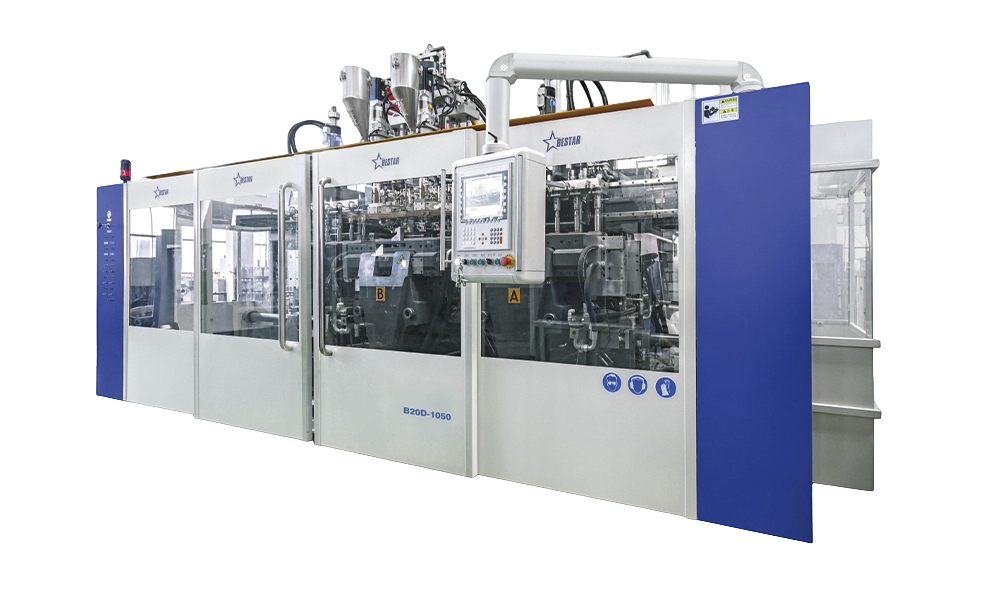
In the modern manufacturing landscape, blow molding technology plays a pivotal role in producing high-quality plastic bottles for a wide range of applications. Among these, lubricant oil bottles are essential containers in the automotive, industrial, and household sectors, designed to store and dispense oils efficiently. A Lubricant Oil Bottle Blow Molding Machine is specifically engineered to create these bottles with precision, consistency, and high productivity.
This article explores the types of bottles that can be produced, the factors influencing bottle design, and the versatility offered by modern blow molding machines in the lubricant oil industry.
Understanding Lubricant Oil Bottle Blow Molding Machines
Blow molding is a manufacturing process that transforms plastic into hollow containers by inflating a heated parison (a tube-like piece of plastic) inside a mold. A lubricant oil bottle blow molding machine is specialized for producing containers that can safely store petroleum-based or synthetic oils, offering chemical resistance, durability, and ergonomics for easy pouring.
Key Features of Lubricant Oil Bottle Blow Molding Machines:
- High Precision Molding: Ensures uniform wall thickness for strength and stability.
- Versatility in Bottle Design: Accommodates various shapes, sizes, and capacities.
- Automated Production: Increases efficiency and reduces human error.
- Material Compatibility: Works with high-density polyethylene (HDPE), polypropylene (PP), and other chemical-resistant plastics.
- Customizable Molds: Allows production of bottles tailored to branding, ergonomics, and functional requirements.
With these features, blow molding machines can produce a diverse range of lubricant oil bottles to meet market demands.
Types of Bottles Produced
Lubricant oil bottle blow molding machines can produce bottles in a variety of shapes, sizes, and designs, catering to different industrial and consumer needs.
1. Standard Rectangular and Square Bottles
-
Description: These bottles feature straight sides and a rectangular or square base.
-
Uses: Common for automotive oils, hydraulic oils, and industrial lubricants.
-
Advantages:
- Easy stacking and storage.
- Maximizes shelf space efficiency.
- Simplifies labeling and branding.
-
Capacity Range: Typically 250 ml to 5 liters.
Rectangular and square bottles are highly popular because of their stability, storage efficiency, and ease of transport.
2. Ergonomic Bottles with Handle
-
Description: Designed with an integrated handle for easy pouring.
-
Uses: Consumer automotive oils, motor oils, and household lubricants.
-
Advantages:
- Reduces spillage and improves pouring accuracy.
- Enhances user convenience and ergonomics.
- Ideal for medium to large capacity bottles (1 liter to 5 liters).
-
Customization: Handles can be positioned vertically or horizontally, and the bottle body can feature contoured grips for better handling.
Ergonomic bottles are particularly favored in consumer markets where ease of use and safety are priorities.
3. Bottles with Spout or Nozzle
-
Description: Bottles equipped with a built-in spout or narrow nozzle for precise dispensing.
-
Uses: Transmission fluids, engine oils, gear oils, and specialty lubricants.
-
Advantages:
- Enables controlled pouring, reducing waste.
- Suitable for automotive and machinery applications where precision is required.
- Can accommodate resealable caps or flip-top lids.
-
Design Variations: The spout may be extendable, flexible, or angled to improve reach.
These bottles cater to technical applications, where precise dosing is essential.
4. Slim or Cylinder-Shaped Bottles
-
Description: Cylindrical or slim bottles with rounded bodies.
-
Uses: Compact motor oils, specialty lubricants, and light machinery oils.
-
Advantages:
- Easier to carry and handle in tight spaces.
- Modern aesthetic appeal for consumer products.
- Efficient for small-capacity packaging, typically 100 ml to 1 liter.
Slim bottles are ideal for personal use or small machinery, offering convenience and portability.
5. Multi-Chamber Bottles
-
Description: Bottles with two or more compartments to store different lubricants or additives separately.
-
Uses: Specialized industrial lubricants, two-component oil products.
-
Advantages:
- Prevents chemical reactions until the product is used.
- Simplifies handling and dosing of complex formulations.
-
Complexity: Requires advanced mold design and machine precision to ensure chamber separation and consistent filling.
Multi-chamber bottles demonstrate the flexibility of blow molding technology in producing sophisticated packaging solutions.
6. Bottles with Customized Branding and Label Integration
-
Description: Bottles designed to incorporate embossed logos, textured surfaces, or integrated label areas.
-
Uses: Consumer automotive oils, promotional products, and high-end lubricants.
-
Advantages:
- Enhances brand recognition and shelf appeal.
- Integrates anti-counterfeit measures with unique surface textures.
- Allows differentiation in competitive markets.
Blow molding machines allow precise control over surface design, ensuring high-quality branding.
Factors Influencing Bottle Design
Several factors determine the shape, size, and material selection for lubricant oil bottles:
1. Type of Lubricant
- Viscosity: High-viscosity oils may require wider openings or spouts.
- Chemical Composition: HDPE is commonly used for chemical resistance; PP or PET may be chosen for specialty oils.
2. Volume and Capacity
- Consumer bottles: 100 ml – 1 liter.
- Industrial bottles: 1 liter – 5 liters or more.
- Large-capacity containers may require reinforced walls and handles to prevent deformation.
3. Environmental Considerations
- UV-resistant coatings for outdoor storage.
- Recyclable materials to meet sustainability standards.
- Lightweight design to reduce transportation costs.
4. Ergonomics and Usability
- Handles, spouts, and contoured grips enhance usability.
- Bottles should allow easy pouring, stacking, and storage.
Advantages of Using a Lubricant Oil Bottle Blow Molding Machine
- High Production Efficiency: Capable of producing thousands of bottles per day with consistent quality.
- Versatility: Supports multiple bottle shapes, sizes, and designs using interchangeable molds.
- Material Optimization: Reduces plastic waste by controlling wall thickness precisely.
- Durability: Produces bottles resistant to chemicals, heat, and physical stress.
- Automation and Customization: Modern machines include PLC control and robotic handling, ensuring accuracy and efficiency.
These advantages make blow molding machines indispensable in the lubricant oil packaging industry.
Quality and Safety Considerations
Lubricant oil bottles must meet industry standards for chemical safety and packaging integrity:
- Leak-proof design: Ensures no oil spills during transport or storage.
- Structural integrity: Bottles must withstand pressure, dropping, and stacking.
- Material safety: Plastics must be compatible with oils, avoiding contamination or degradation.
- Cap and seal compatibility: Bottles must accommodate tamper-evident or child-resistant caps if required.
Quality control during blow molding ensures compliance with these critical standards.
Conclusion
Lubricant oil bottle blow molding machines are highly versatile manufacturing tools capable of producing a wide range of bottle types tailored to consumer, industrial, and specialized applications. The key bottle types include:
- Rectangular and square bottles for efficient storage and transport.
- Ergonomic bottles with handles for consumer convenience.
- Bottles with spouts or nozzles for precise oil dispensing.
- Slim or cylinder-shaped bottles for small-capacity packaging.
- Multi-chamber bottles for specialized applications.
- Customized bottles with branding features for market differentiation.
By combining precision molding, material compatibility, and design flexibility, blow molding machines enable manufacturers to meet diverse market needs while ensuring durability, safety, and efficiency.
As the demand for high-quality lubricant oil packaging continues to grow, the role of blow molding technology in producing reliable, versatile, and environmentally responsible bottles becomes increasingly critical. Whether for automotive, industrial, or consumer applications, these machines ensure that lubricant oil is safely stored, conveniently dispensed, and effectively marketed to end-users worldwide.
